Medical Marijuana Patient
If you’re getting ready for that first medical marijuana appointment, it probably feels like a bunch of mixed feelings are going on. Like, curiosity mixed with not knowing what to expect as a Medical Marijuana Patient. Some folks seem hopeful about it. Others get really nervous. And a lot of people just have no idea what the whole thing involves or even what to bring along. That’s totally normal.
Medical marijuana is kind of new for so many patients still. Especially if you’ve been dealing with regular doctors for years and nothing really helped enough. This thing here is supposed to help you figure out the before and after parts. So you end up feeling more prepared and not stressing too much about it all. It seems like that could make a difference.
Before Your Appointment: Getting Yourself Ready
The appointment is pretty straightforward most of the time. But getting ready for it can change how much you get out of the whole thing.
You have to remember it’s not like a test or anything intense like that. The doctor is just checking if medical marijuana might actually help with what you’re going through. All you need to do is talk about your situation, keep it real, and not too complicated, even if you have concerns like Is Marijuana Addictive.
It helps to sit down and really think about how your condition messes with your everyday stuff. Not just the official name of it, but what it’s like living with the symptoms. Like when it first hit, or how often it flares up. A really bad day versus one you can handle, that kind of thing. Those bits make it easier for them to get the picture.
Thinking about what you’ve tried already is important, too. A lot of people start feeling like they have to prove their case or something, but it’s more about giving the background. Stuff like regular meds from a doctor, or maybe physical therapy sessions, or even changes to how you eat or exercise. Did any of that work at all, or just a little, or nothing? It shows where you’re at in dealing with this.
People forget sometimes to just set some realistic ideas about it beforehand. Medical marijuana isn’t going to fix everything, and it affects different folks in different ways. Maybe going in with that kind of open but not super hopeful attitude makes the talk go better.
Common Questions Patients Worry About (and Shouldn’t)
A bunch of people going in for their first medical marijuana appointment get really nervous about messing up what they say. They think maybe the doctor will judge them, or not get it, or just brush them off.
Those visits are not like that at all; they tend to be pretty relaxed, and the people there treat you right, especially when it comes to Talking to Your Doctor About Cannabis. Doctors dealing with this stuff know all about ongoing pain and those conditions that drag on forever, plus how annoying it can get.
It feels like the main thing is just to tell it straight, without making stuff sound worse or better than it is. Like if the problem messes with how you sleep or do your job or even how you feel around others, that matters, and you should mention it.
People also stress over whether they have tried cannabis before, but it does not really change anything either way. The providers care more about how it might work for you now and what you hope to get out of it, not so much the past. I think that part surprises a lot of folks.
During the Appointment: What Actually Happens Medical Marijuana Patient
Most of the time, seeing the provider for this kind of thing just turns into a regular talk, not some stiff medical checkup. You might get asked how long the problem has stuck around, or what you’ve already tried to fix it, and even what you want out of it all.
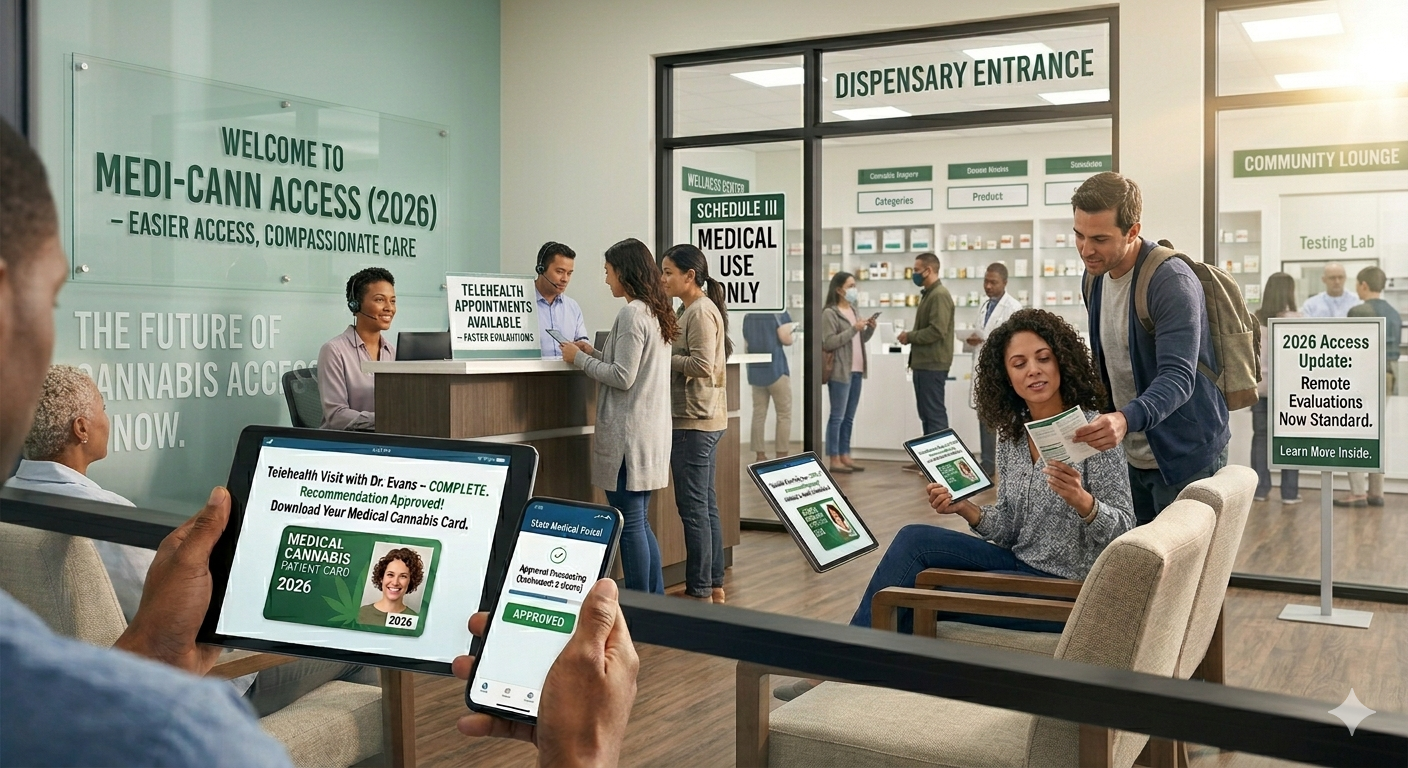
It seems like whether it’s online or face-to-face, the way it goes stays pretty much the same. A lot of people get too wrapped up in hoping they’ll get the okay, and they skip asking their own questions. But really, this meeting is for you too, not just them deciding.
So if something bugs you, like how much to take or what kinds of products there are, or even side effects and how it all fits with everyday stuff as a Medical Marijuana Patient, just say it. There aren’t any questions that are too simple here. Kind of makes sense, since figuring it out properly is what responsible use is about.
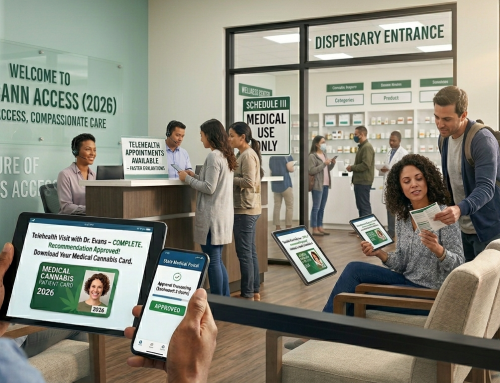
Once they approve you, they’ll walk through what comes next. That could mean signing up with the state program, picking up your medical marijuana card, or hanging tight for the go-ahead to buy things. This part gets a bit messy sometimes, depending on where you are.
After Your Appointment: What Happens Next
After the appointment ends, patients often feel relieved at first. Then more questions pop up. That happens a lot.
If you get approved, there might be a wait before the card works; it depends on the state rules. In that time, it’s good to check out the dispensaries nearby, see what products they have, and read up on the local laws.
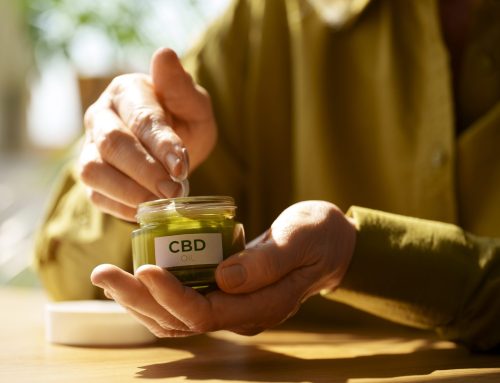
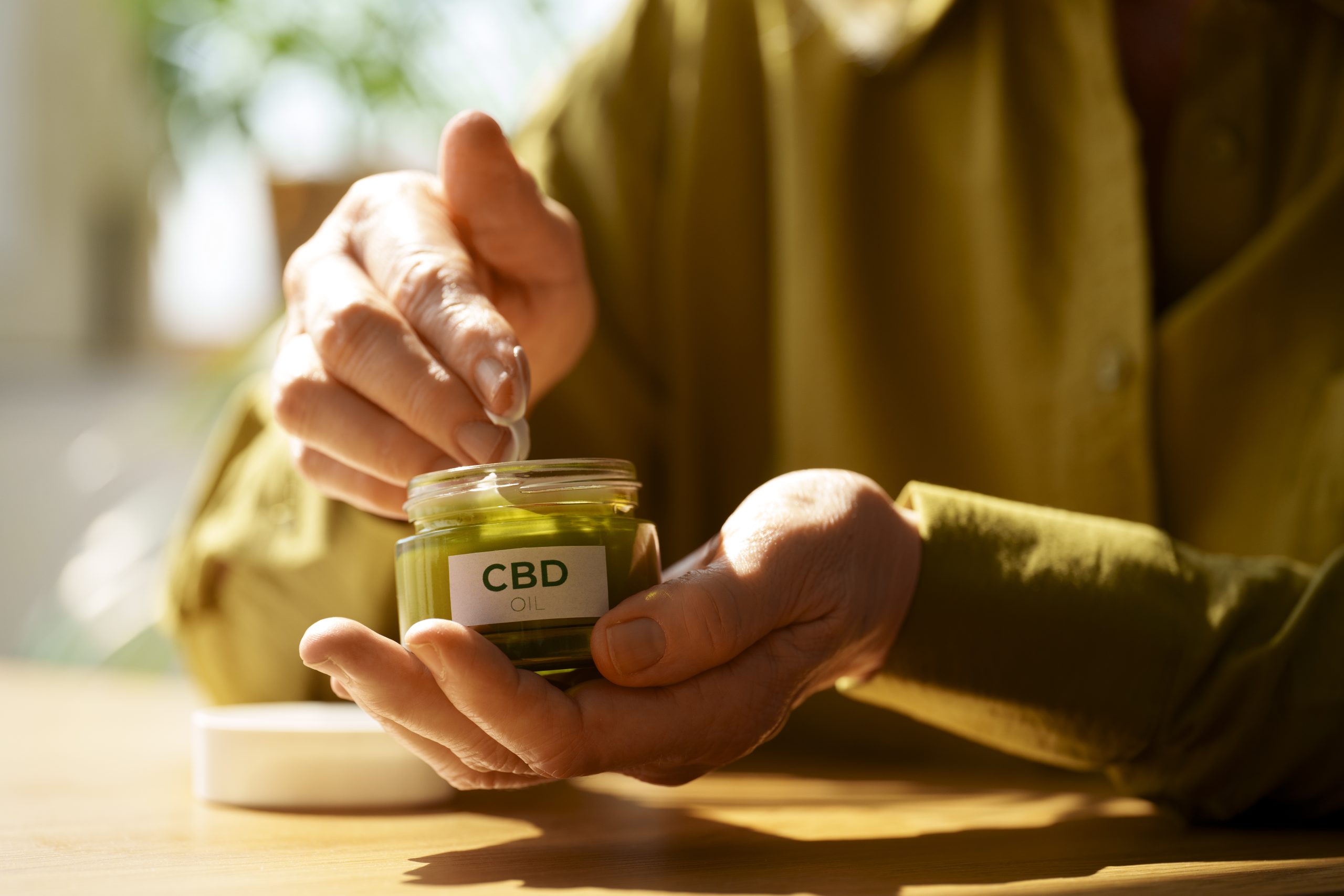
Medical marijuana isn’t just one thing, you know. There are oils and capsules, or flowers, edibles, tinctures, and topicals. They all do different stuff, some last longer, others hit quick but fade fast, and they feel varying in how they affect you. Figuring them out early can stop you from getting annoyed down the line.
New patients really should hear this: start low with the dose. Even if symptoms are bad, your body takes time to get used to them. Jumping in with too much right away leads to rough starts for so many people. Sticking to small amounts lets you see how it works on you without it being too much.
Timing matters a bunch, too. Certain products kick in fast but don’t stick around, while others build up slower yet hang on longer. Matching it to your day might need some trying different ones, trial and error sort of thing.
Tracking Your Experience Matters More Than You Think
One thing that makes a difference for patients, like between those who feel okay with their treatment and those who get annoyed, is just keeping track of stuff.
You do not have to do anything complicated for this. Write down what you took, the amount, the time, and then how it made you feel later. As you keep doing that, you notice patterns showing up. It helps you figure out what works for pain relief, or better sleep, or maybe what brings on bad side effects, and stuff that is not really worth doing again.
Understanding Legal Responsibilities After Approval
Getting a medical marijuana card means you have some legal protections, but there are responsibilities, too, that you cannot ignore.
The main thing is that your card only works in the state where you got it, not if you go somewhere else, which is why people often ask Can You Travel With Medical Marijuana Between States. There are all these rules about how much you can have, where you can use it in public or not, how to store it, and what happens when you travel. If you do not really get these limits, you might end up breaking them without meaning to, which is not good.
Storing the products safely seems really important, particularly if kids or pets are around the house. You have to treat medical marijuana just like any regular medication, with the same kind of care.
Final Thoughts
Reading your first appointment for medical marijuana does not have to be scary at all. It’s kind of just the beginning.
Getting ready beforehand, like thinking about what to ask, and then taking time later to figure things out as a Medical Marijuana Patient, makes it go a lot better. Medical marijuana seems to help more if you take it seriously, not just rush through or act like it’s no big deal.
For a bunch of people who try it, this is where things start improving with their symptoms, and overall life gets easier. But taking it slow, one part at a time, that’s what keeps it positive, though sometimes it feels a bit overwhelming at first.