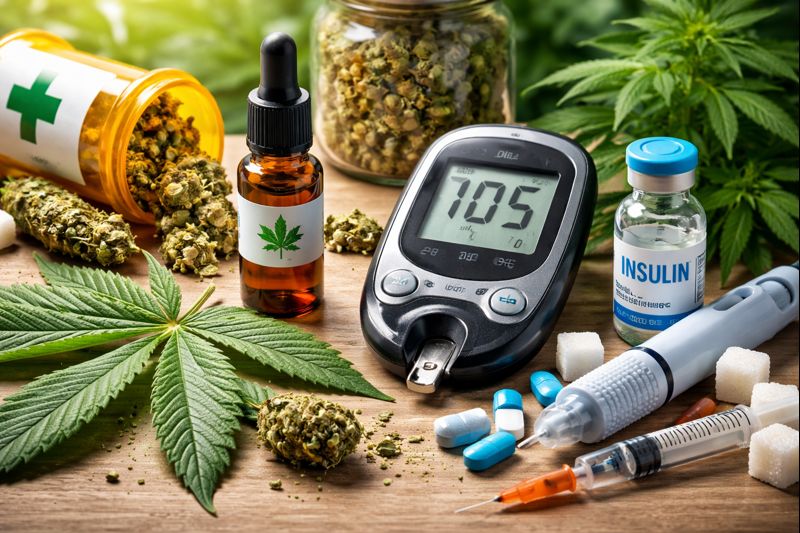
The term “medical cannabis” appears frequently in discussions today, but most people still don’t clearly understand what makes it “medical.” Many assume it is simply regular marijuana packaged differently. Others think it is a special medicine with a completely different formula. Neither idea is fully accurate. Medical cannabis belongs somewhere between a natural plant and a therapeutic tool. It is not a magical cure, and it is not a recreational party substance either. It just contains certain chemical compounds. These compounds interact with the human body in ways that happen predictably every time.
Cannabis has been used for centuries now. Scientists have only really started digging into how it operates inside the body during the past few decades. That kind of understanding clears up a lot of the confusion people feel. It also cuts down on the judgment and fear that often come along with it.
It turns the subject from a stereotype into something clear and factual.
The Body’s Endocannabinoid System
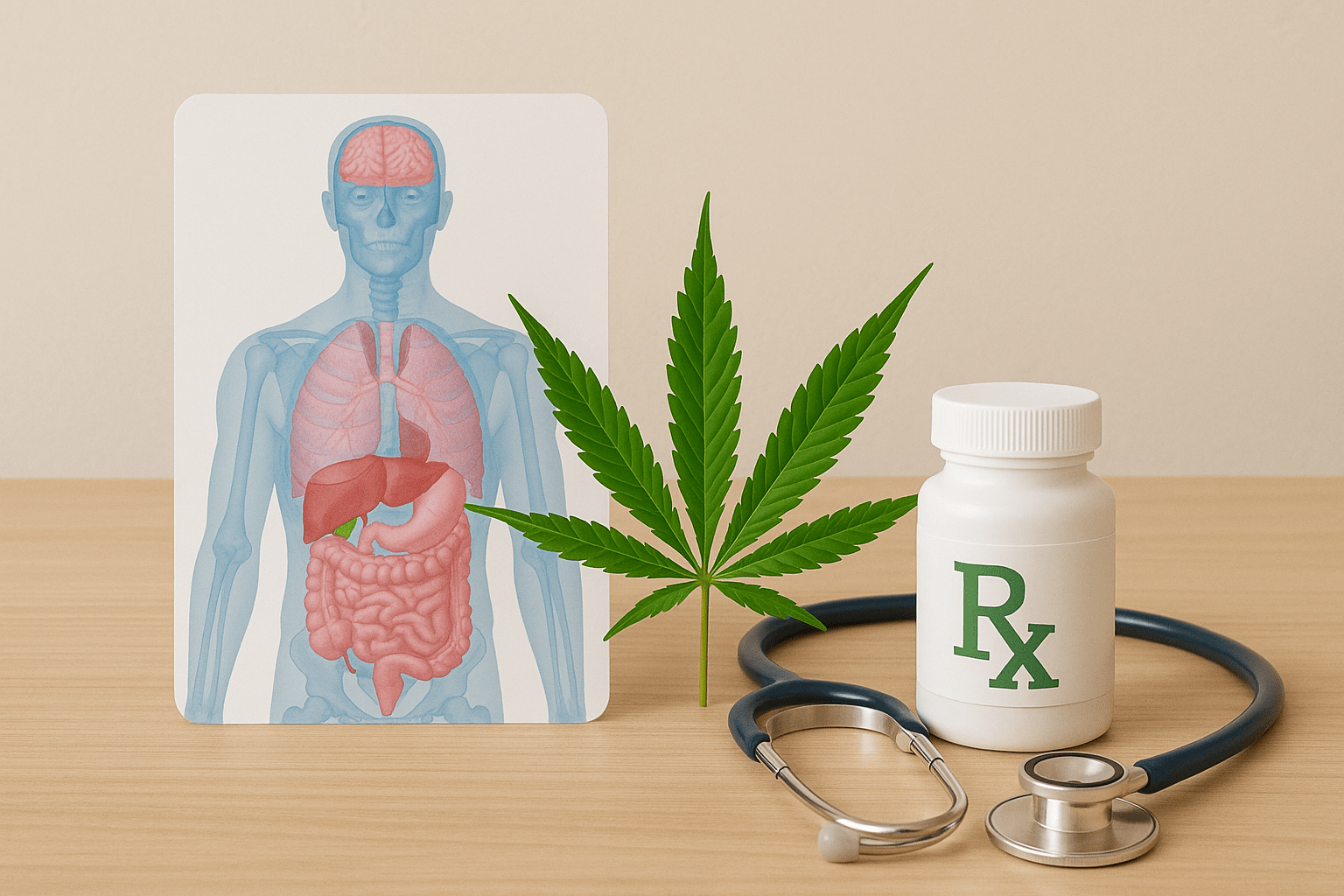
The explanation begins with something most people have never heard of: the endocannabinoid system. Every human being has one, whether they use cannabis or not. It is a built-in network that helps the body maintain balance. This system influences things like:
- mood
- stress response
- sleep cycle
- appetite
- pain sensitivity
- immune reactions
- memory processes
The human body produces its own cannabinoids via inherent biological mechanisms. These compounds serve as signalling molecules inside the endocannabinoid system. They travel rapidly across the nervous system. This helps in modulating a range of physiological activities. When functioning properly, the system maintains homeostasis throughout the body. It steers clear of imbalances. Such imbalances could involve heightened stress or undue lethargy. It also curbs overexcitement or exhaustion from dominating.
THC and CBD: What They Actually Do
People talk about THC and CBD constantly these days, but honestly, most of the conversations feel messy, full of opinions, assumptions, and half-baked facts. Some people think THC is the “bad” part of cannabis and CBD is the “good” part. Others say CBD is useless and THC is the only one that actually matters. In reality, it’s nowhere near that dramatic. They’re just two different parts of the same plant, and they affect the body in two different ways.
THC: More Than Just the “High” Everyone Mentions
If someone has heard only one thing about THC, it’s usually that it makes you high. That’s not wrong, but it’s not the full picture either. THC interacts with parts of the brain that deal with pain, appetite, sleep, nausea, basically the things that make daily life either comfortable or miserable. That’s why someone going through chemotherapy suddenly wants food after taking THC. That’s why a person in constant pain can finally lie down and rest.
In medical use, the goal isn’t to get someone high or hazy. The goal is to help them live normally again, to be able to eat, sleep, relax, stop throwing up, and stop hurting. The high is just something that can happen if the dose is too strong. When it’s given in the right amount, THC doesn’t have to make anyone feel intoxicated at all.
CBD: Calm Support Without the High
CBD is the opposite in many ways. It doesn’t touch the brain the same way THC does, so it doesn’t cause a high. It works more quietly, supporting the nervous system instead of overwhelming it. It reduces stress signals, inflammation, anxiety, seizures… and it does all of that without changing how you see or feel the world around you.
A lot of people describe CBD as relief that you don’t necessarily “notice” until you realize your body has finally stopped fighting itself. It doesn’t give fireworks. It gives control. That’s why CBD is used for epilepsy, anxiety, inflammation, chronic stress, and PTSD. It doesn’t silence the brain; it steadies it.
Why Medical Cannabis Helps Some People
Medical cannabis is not a universal solution, but it becomes useful when the body’s endocannabinoid system struggles to regulate itself. For example, chronic pain signals can become stuck in high alert mode. Sleep cycles can be down by stress. Certain illnesses can interfere with appetite and energy. These situations can make daily life harder.
Introducing cannabinoids from the plant may help the system function more smoothly, at least temporarily. This is why medical cannabis is commonly used for:
- persistent pain
- anxiety and high stress
- sleep problems
- muscle tightness
- nausea from cancer treatments
- appetite loss
- migraines
- inflammatory conditions
Effects differ from person to person. Some feel a noticeable shift, while others feel very little. It is not guaranteed, and it is not meant to replace medical guidance or healthy lifestyle habits.
What Medical Cannabis Does Not Do
Medical cannabis is often misunderstood as a solution for everything. That is false. It cannot:
- cure diseases
- repair damaged organs
- eliminate stress permanently
- replace therapy or healthy habits
- solve emotional conflict
It is support, not a fix. When someone uses it responsibly, it can make pain, stress, or discomfort more manageable. But it does not erase the underlying cause.
Forms of Medical Cannabis
Medical cannabis does not refer only to smoking. Patients can access multiple forms depending on what works for their needs.
Common formats include:
- oil droplets under the tongue
- capsules
- edibles such as gummies
- vape pens
- dried flower
- topical creams
- patches that release cannabinoids slowly
- beverages
- sprays
Some people prefer faster effects, while others prefer slow and steady. Some want full-body influence, others want localized relief (like cream for painful joints). Having options helps personalize the experience.
Who Can Prescribe Medical Cannabis
The rules change from place to place. In some locations, many doctors can prescribe it. In others, only specialists have that authority. However, the general pattern looks like this:
- Medical doctors with government approval
- Nurse practitioners in some regions
- Licensed healthcare providers trained in cannabis therapy
Doctors do not issue prescriptions based simply on casual preferences. Healthcare professionals carefully assess whether cannabis fits the patient’s specific condition, overall lifestyle, and detailed medical history. They review any existing medications the patient currently uses as well. Cannabis might interact negatively with certain drugs, which makes professional supervision quite important.
Safety Points Worth Keeping in Mind
Medical cannabis requires awareness, not fear. A few basic points make it safer:
- avoid combining with alcohol
- avoid driving afterward
- check personal tolerance before increasing dosage
- pay attention to how the body responds the next day
- Be honest with healthcare providers about use and effects
These actions do not reduce enjoyment or relief. They simply prevent unwanted problems.
Who Medical Cannabis Is Not Suitable For
Medical cannabis does not suit everyone. Studies show that individuals with certain psychiatric histories or heart-related issues could encounter higher risks. Pregnant people are usually told to steer clear of it. Anyone with past addiction patterns ought to share that information with their doctor before starting treatment.
Participation in medical cannabis treatment remains completely optional. Influences from friends or current fads might make the process feel less safe and less meaningful. Evidence points to the need for personal choice in such matters.
Conclusion
Medical cannabis really is not any wild notion at all. It exists simply as another option within modern medicine. Some patients experience genuine benefits from using it. Others notice absolutely nothing different. A handful rely on it daily. Certain folks use it only occasionally. Many others choose to avoid it altogether.
Understanding how it impacts the body helps dispel much of the confusion. Knowing which professionals can prescribe it reduces the spread of misinformation. Establishing practical expectations beforehand minimizes potential disappointments.