CBD Oil
If you have a chronic condition, it gets to the point where all the trying different things just wears you out. Like, medications work for a while, and then they don’t anymore. Side effects pop up out of nowhere. Dosages keep getting adjusted. And at some point, you come across talk about cannabis, maybe medical marijuana or CBD oil, or even a mix of them. Confusion hits pretty hard right then.
People are wondering stuff like, does CBD do the job on its own? Or do you really need the full medical marijuana thing? And what’s supposed to be better for dealing with long-term conditions anyway? It seems there is no one-size-fits-all solution here. Still, the two are different in clear ways, and figuring that out helps a lot when picking what might work for where you’re at. This part gets a bit tricky to sort through sometimes.
Why chronic conditions are a different conversation
Chronic conditions, they are not just something that comes and goes with a little relief now and then. No, these are things that stick around, with symptoms that mess up your daily routine almost all the time. Like, take chronic pain or arthritis, fibromyalgia too, and then migraines, PTSD, epilepsy, multiple sclerosis, those inflammatory issues, even symptoms from cancer. All of that fits here.
For folks dealing with this stuff day in and day out, a small effect from something isn’t going to cut it. They want relief that you can count on, something predictable, and it has to be strong enough to actually notice. It seems like without that, it’s just more frustration.
Why medical marijuana is often chosen for long-term conditions
Medical marijuana seems to work better when symptoms are really bad or keep going on like that. THC kind of connects right into the body’s endocannabinoid system, which handles stuff like pain and mood, appetite too, and even how the nerves work.
For chronic pain that regular meds just don’t touch, THC gives some relief that CBD by itself might not. It applies to other things as well, like muscles getting spastic, or that awful nausea, insomnia because of the pain, and some neurological issues.
Patients get more options with medical marijuana, you know, different products and ways it’s made, plus varying amounts of THC compared to CBD. That means you can adjust it for what you specifically need, instead of just taking whatever is standard.
A lot of people aren’t after the high feeling at all. They just want to get through the day, sleep okay, eat without throwing up, and handle the pain so they can work or at least move around without it being terrible. That part stands out, how it’s more about normal life.
The role of THC: benefit and concern
What really sets medical marijuana apart from something like CBD oil is THC, and that is probably why a lot of people hold back from trying it.
The worry makes sense to me, since THC does have those mind-altering effects, particularly if you take too much.
But in medical situations, it’s not like everyone is aiming for that high feeling all the time.
A bunch of patients stick to smaller amounts of THC, tweaking it based on what they can handle and what helps their issues.
It seems like the best products out there mix THC with CBD anyway, which cuts down on the bad parts while still easing the symptoms.
That balance is key for stuff like ongoing health problems; the point is just to manage the pain or whatever, not to get buzzed.
When it’s done right, with a doctor watching, THC turns into more of a helpful thing instead of something risky.
Effectiveness isn’t just about the compound.
One reason the “CBD vs medical marijuana” debate feels so frustrating is that effectiveness depends on more than just the plant.
It depends on:
- the condition being treated
- symptom severity
- individual body chemistry
- tolerance levels
- delivery method (oil, capsule, vapor, edible, topical)
Someone with mild joint stiffness may do well with CBD oil. Someone with severe nerve pain or cancer-related symptoms may find CBD barely noticeable, but medical marijuana is life-changing.
This doesn’t mean one option is “better” in general. It means one may be better for you.
Safety, side effects, and daily life
CBD seems pretty easy to handle for most people, with not many side effects at all. That’s why it draws so many in. Medical marijuana, though, can bring on things like dry mouth or feeling dizzy, maybe even tired or not able to focus right, and that happens more if the dose isn’t figured out properly.
For folks who have to drive or keep sharp at work all day, CBD might just fit better into that kind of routine. It feels less disruptive somehow. Then others save the medical marijuana for evenings, or even nighttime, since getting relief from symptoms outweighs needing to be alert then.
Managing something chronic isn’t always about picking just one option and sticking to it. A lot of patients mix both, switching around based on what they need at the moment, like for different symptoms or times of day. That part gets a bit messy to explain, but it makes sense in practice.
Legal and medical access matters
CBD oil seems pretty straightforward since it’s legal in a lot of areas, and you don’t need a doctor’s note or anything like that. But medical marijuana is different; it involves getting checked out by a licensed provider and following whatever state rules are in place.
That process can seem kind of scary at first, with the extra hassle. Still, there are some upsides to it. Like, the programs give you a real structure, plus they make sure products meet quality standards, and you get guidance from pros. For folks dealing with serious stuff or ongoing issues, that kind of watchfulness probably makes things safer overall, more effective too.
Having the card is a big deal because it protects you legally in your state. And you get into products made just for medical needs, not the general wellness kind.
Choosing what’s right for your condition,
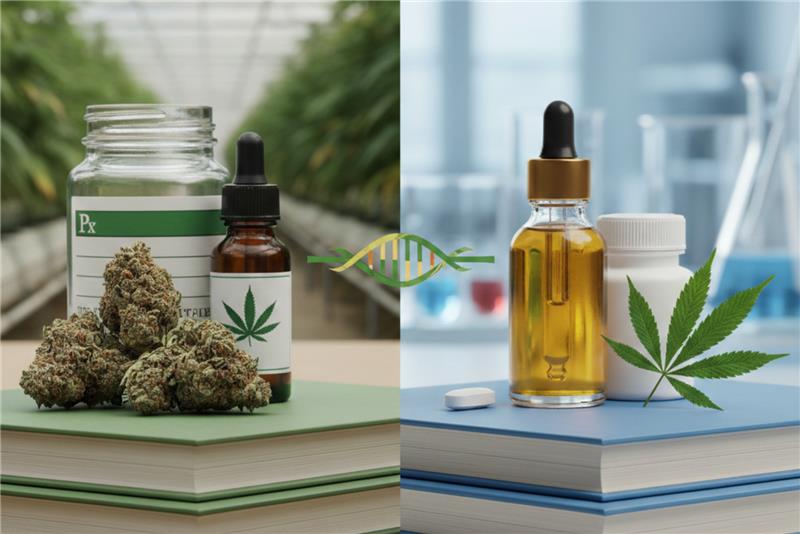
the main point is that CBD oil and medical marijuana don’t really compete like one is better overall. They just do different things depending on what you need.
CBD oil seems good for stuff that’s not too bad, like if you want something during the day without feeling weird or anything. It keeps side effects low, which is nice for some people. On the other hand, medical marijuana might work more for really tough chronic problems where you need that steady kind of help that actually shows up.
It’s all about paying attention to how your body reacts, maybe keeping notes on symptoms over time. And definitely talk to a doctor who knows about this, because everyone’s situation is different. Treatment can’t be one size fits all for something personal like chronic issues.
Final thoughts
Dealing with a chronic condition is tough because you always have to think about what brings relief, but also the side effects and stuff like if its legal or how much it costs and how it affects your daily life overall. CBD oil and medical marijuana can both help, but they are not the same thing at all. You can’t just swap one for the other.
Some folks, CBD does the job on its own, and that’s fine. But then some people need medical marijuana because nothing else worked for them, and it makes a real difference. And a lot of times, mixing both in a smart way seems to be what helps the most.
The choice shouldn’t come down to what everyone else is saying or whatever is popular right now. It’s more about finding what lets you get through the day, feel less pain, and just be okay in your body without so much struggle.
If you’re looking into medical marijuana for ongoing symptoms, it feels important to get the differences from CBD oil straight so you can decide without second-guessing too much.