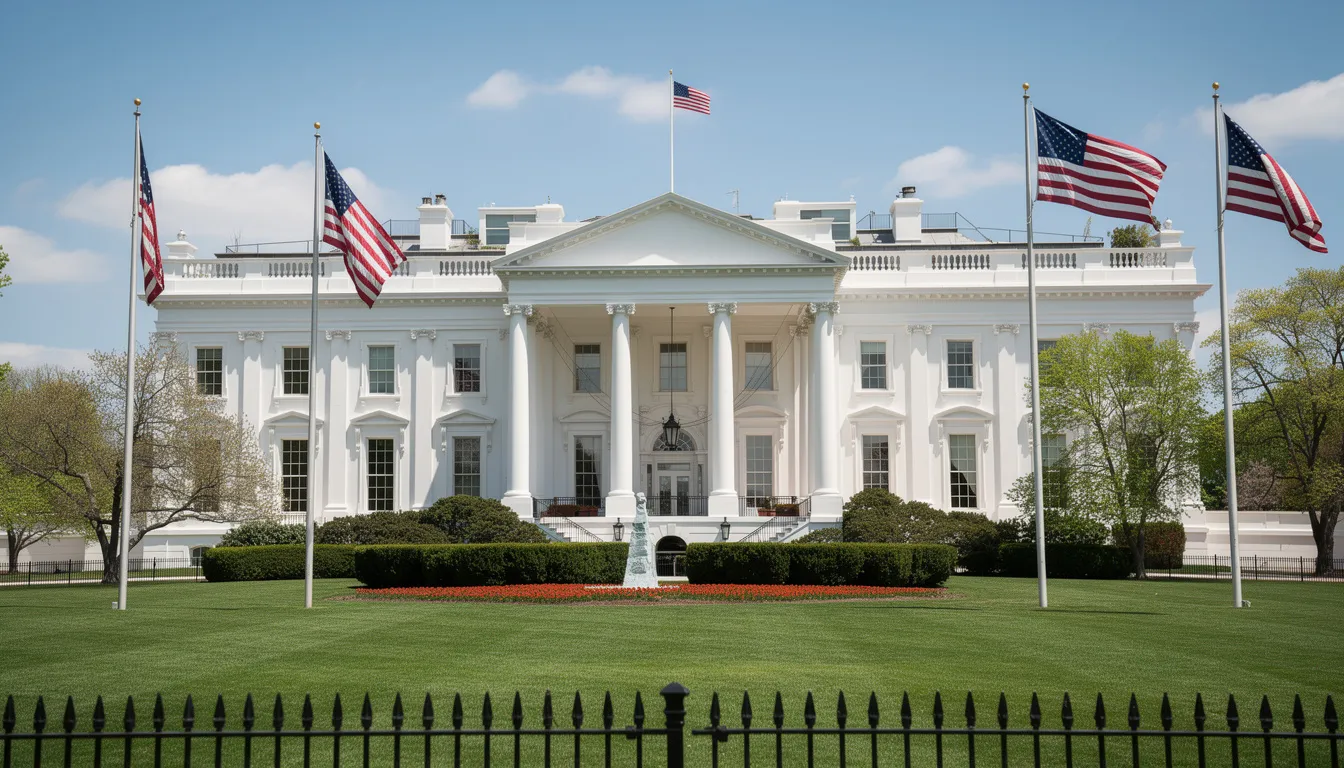
The federal government is on the verge of making the most significant change to marijuana policy in over fifty years. Reports from multiple outlets indicate that President Donald Trump is preparing to sign an executive order this week that would direct federal agencies to reschedule marijuana from Schedule I to Schedule III under the Controlled Substances Act.
This move would fundamentally alter how the cannabis plant is treated under federal law—affecting everything from criminal enforcement to medical research to the financial health of cannabis companies across the country.
Here’s what you need to know about cannabis rescheduling news as it unfolds.
Fast Summary: What’s Expected This Week
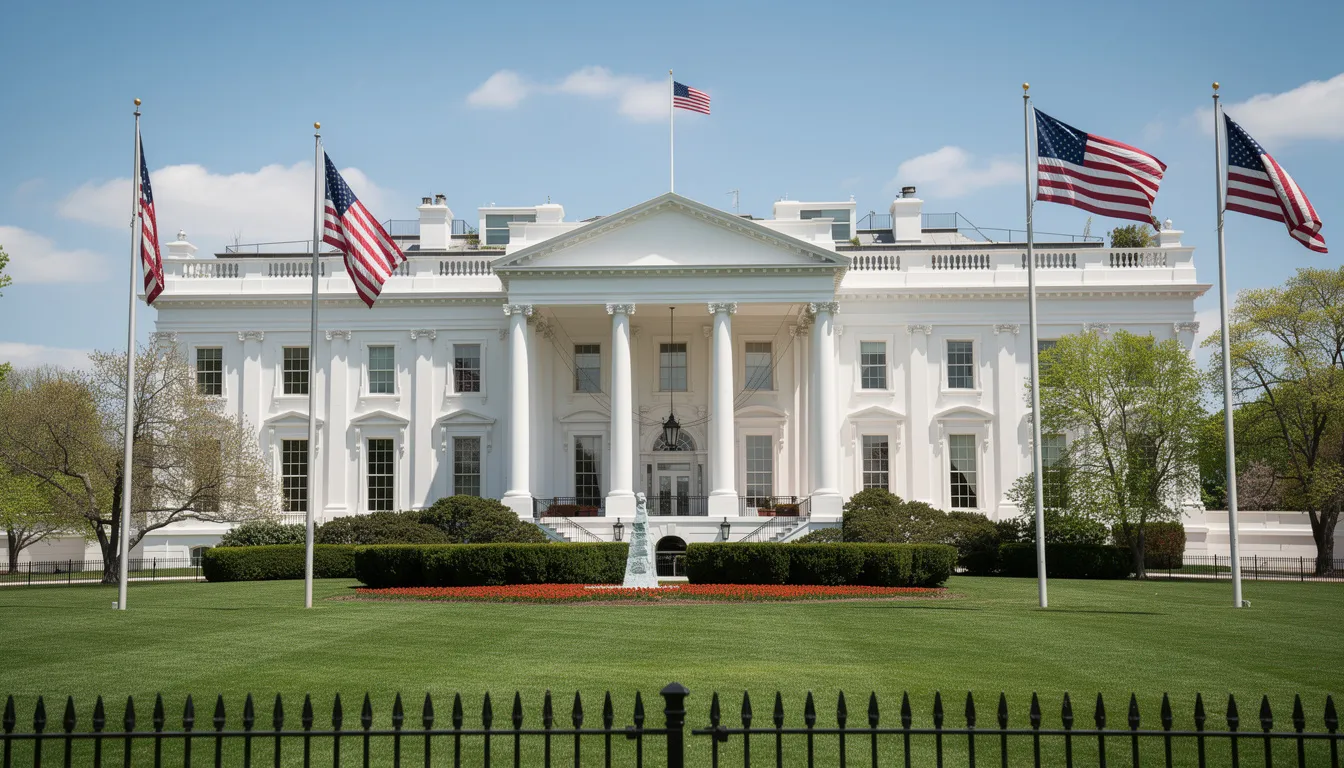
President Donald Trump is expected to deliver a nationally covered statement on Thursday addressing marijuana rescheduling. Multiple sources familiar with the administration’s plans have indicated that an executive order directing the move from Schedule I to Schedule III is imminent. This would represent the biggest federal cannabis policy shift in decades.
Key expected actions include:
- Directing the Attorney General and the Drug Enforcement Administration to initiate or accelerate formal rescheduling procedures to move marijuana to Schedule III
- Signaling support for cannabis banking reform to loosen restrictions on financial services for state-legal operators
- Indicating openness to broader congressional action on cannabis reform, including potential legalization measures
- Setting a target timeline for DEA to finalize the rescheduling rule, with some reports suggesting completion by summer
If Trump’s expected executive order moves forward, it would build on groundwork laid during the Biden administration while potentially accelerating the administrative process that has stalled over the past year.
Background: How Cannabis Ended Up In Schedule I
Marijuana has been classified as a Schedule I substance under the Controlled Substances Act since the law was enacted in 1970. Under this classification, the federal government officially defined cannabis as having “no currently accepted medical use in treatment in the United States” and a high potential for abuse—the same category as heroin.
Key historical milestones:
- 1970: Congress passes the CSA, placing marijuana in Schedule I provisionally while a presidential commission studied the drug
- 1972: The Shafer Commission recommends decriminalization, but its findings are largely ignored
- 1992: DEA denies a major rescheduling petition, maintaining that marijuana lacks “accepted medical use”
- 1996: California becomes the first state to legalize medical marijuana, beginning the state-federal policy divergence
- 2012: Colorado and Washington legalize recreational use, accelerating the gap between state and federal law
- 2018: The Farm Bill deschedules hemp (cannabis with ≤0.3% THC), creating a legal distinction based solely on THC concentration
What Schedule I classification means in practice:
- Near-total federal prohibition for any use outside extremely limited research
- Very restricted research licenses requiring DEA approval and use of federally sanctioned suppliers
- Heavier criminal penalties for manufacture, distribution, and possession
- No recognized medical value under federal law—even as 30+ states now operate medical cannabis programs
- Businesses subject to IRS Section 280E, which denies standard business deductions
The disconnect between state reforms and federal prohibition has created tremendous amounts of legal complexity for the cannabis industry, with businesses operating in a gray zone where state-legal activity remains a federal crime.
What Trump’s Reported Executive Order Would Actually Do
Multiple outlets including the Washington Post have reported that Trump is preparing an executive order instructing federal agencies to reclassify marijuana from Schedule I to Schedule III. Here’s what that actually means.
Understanding the schedule difference:
| Category | Definition | Examples |
|---|---|---|
| Schedule I | No accepted medical use, high potential for abuse, lack of accepted safety | Heroin, LSD, MDMA |
| Schedule III | Accepted medical use, lower abuse potential, moderate to low physical and psychological dependence | Ketamine, anabolic steroids, Tylenol with codeine |
Expected elements of the president’s executive order:
- Direction to accelerate rulemaking: The order would instruct the Attorney General and DEA to move forward with CSA rescheduling procedures, building on the existing proposed rule from May 2024
- Reliance on HHS findings: The order would lean on Health and Human Services’ August 2023 scientific and medical evaluation, which concluded marijuana has currently accepted medical use and does not meet Schedule I criteria
- Target timeline: Reports suggest the administration wants a final DEA rule by summer 2025, though the administrative process includes mandatory steps that may extend this window
- Signaling on banking: The White House may use the order to express support for cannabis banking legislation, though actual banking reform requires congressional action
Critical caveat: An executive order alone does not instantly reschedule marijuana. It sets legal and regulatory machinery in motion but cannot bypass the formal rulemaking process required under the Controlled Substances Act.

Legal Mechanics: How Federal Rescheduling Must Happen Under The CSA
This article covers the latest cannabis rescheduling news, explaining what the proposed Schedule III move means for businesses, patients, and investors.
Under the Controlled Substances Act, rescheduling a substance requires a formal administrative process involving the Drug Enforcement Administration, the Attorney General, and scientific input from Health and Human Services. A presidential signature alone cannot complete the job.
Required procedural steps:
- Initiation: The process begins with DEA, HHS, or a petition from an interested party. In the current episode, Biden’s October 2022 directive triggered HHS to begin a formal evaluation.
- HHS scientific evaluation: Human Services conducts an eight-factor analysis examining abuse potential, scientific knowledge, pharmacological effects, public health risk, dependence liability, and current medical use. HHS transmitted its recommendation to DEA on August 30, 2023, concluding marijuana should move to Schedule III.
- DEA review and proposed rule: DEA must accept HHS’s scientific and medical determinations and issue a Notice of Proposed Rulemaking in the Federal Register. This occurred on May 21, 2024, when Attorney General Merrick Garland signed the NPRM.
- Public comment period: Stakeholders submit written arguments and evidence. For marijuana, comments closed July 22, 2024.
- Administrative hearings: If requested, DEA holds evidentiary hearings. A hearing was scheduled for January 21, 2025, but was postponed while an appeal was resolved.
- Final rule: DEA issues a final rule that either reschedules as proposed, modifies the proposal, or withdraws it. This rule is subject to judicial review.
- OMB review: All final DEA rules are subject to review by the White House Office of Management and Budget under Executive Order 12866, which can affect timing and final language.
Current status: The rescheduling process is in a holding pattern. The administrative law judge postponed the January 2025 hearing, DEA leadership has transitioned to a new Administrator (Terrance Cole), and procedural disputes remain unresolved.
Could Trump use emergency authority?
Some observers have speculated whether the administration could invoke emergency or expedited procedures similar to how DEA rescheduled Epidiolex, the FDA-approved cannabis-derived epilepsy drug. However, any such path would still need to be reconciled with CSA requirements and international treaty obligations under the 1961 Single Convention on Narcotic Drugs.
DEA’s May 2024 NPRM explicitly stated that marijuana-specific controls would likely be layered on top of standard Schedule III requirements to maintain treaty compliance.
Markets And Industry: How Rescheduling News Is Moving Cannabis Stocks
Reports of impending rescheduling have already triggered significant movement in publicly traded cannabis companies. As rumors of Trump’s executive order circulated, pot stocks surged across major trading platforms.
Why investors are paying attention:
- 280E tax relief: Moving marijuana to Schedule III would remove cannabis businesses from IRS Section 280E, which currently denies deduction of ordinary business expenses. Effective federal tax rates for cannabis companies can exceed 70-80% of net income under current law. Schedule III status would allow normal business deductions for the first time.
- Improved cash flow: Analysts predict 280E relief alone could be “transformative” for the cannabis industry’s financial health, dramatically improving after-tax margins for existing operators.
- Banking access: Rescheduling signals reduced federal risk, which may encourage mainstream banks and payment processors to serve cannabis businesses. However, full banking normalization likely still requires congressional action like the SAFE Banking Act.
- Institutional investment: Lower federal risk perception could open doors to institutional investors who have avoided the sector due to Schedule I classification.
Market reactions to watch:
- Multi-state operators (MSOs) with significant federal tax liabilities stand to benefit most from 280E relief
- Cannabis ETFs have seen increased trading volume as rescheduling news circulates
- Canadian cannabis companies with U.S. operations are monitoring developments for potential market entry opportunities
Ongoing constraints investors should note:
- Cannabis would remain a federally controlled substance even under Schedule III
- Interstate commerce would still be restricted
- Full listing on major stock exchanges like NYSE and Nasdaq may require additional congressional action
- DEA registration requirements for “legitimate handlers” could impose new compliance costs

Policy Limits, Legal Challenges, And What Comes Next
Rescheduling to Schedule III does not equal federal legalization. It’s crucial to understand what changes—and what doesn’t—if marijuana moves down the schedules.
What rescheduling does NOT do:
- Legalize cannabis the way alcohol or tobacco is legal
- Override state prohibition laws where they exist
- Make cannabis an FDA-approved drug (each product would still need to go through the NDA process)
- Automatically allow recreational use under federal law
- Create a nationwide prescription cannabis system
Likely legal challenges:
- Opponents may argue an executive order cannot override statutory scientific and procedural criteria in the CSA
- Prohibitionist groups have organized to fund litigation challenging any final rescheduling decision
- Courts may review whether the Attorney General and DEA properly balanced treaty obligations under the 1961 Single Convention with domestic scheduling criteria
- Some challengers may argue HHS’s findings on medical use and physical and psychological dependence are flawed or insufficient
Possible congressional responses:
| Response Type | Description |
|---|---|
| Comprehensive reform | Legislation to legalize cannabis, address social equity, and create federal excise taxes |
| Banking reform | Standalone bills like SAFE Banking to address financial services access |
| Targeted fixes | Expungement legislation, veterans’ access provisions, research expansion |
| Opposition measures | Oversight hearings, new statutory language to block or narrow rescheduling |
What stakeholders should do now:
- Plant-touching businesses: Consult legal and tax advisors on 280E implications, DEA registration requirements, and potential compliance changes
- Ancillary providers (banks, insurers, tech firms): Evaluate risk profiles and prepare for potential expanded service offerings
- Medical researchers: Monitor changes to research licensing and prepare applications for Schedule III studies
- Investors: Track both the administrative process timeline and congressional responses before making major allocation decisions
The next 6 to 12 months could be among the most transformative for the U.S. cannabis industry, but regulatory confusion, conflicts of federal laws, and unintended consequences are likely during any transition period.
Realistic timeline expectations:
Even with an aggressive push from the Trump administration, the administrative process includes mandatory steps—comment periods, potential hearings, OMB review—that cannot be entirely bypassed. A final rule by summer 2025 is possible but optimistic. Full implementation and regulatory clarity may take considerably longer.
Key Takeaways
- President Donald Trump is expected to sign an executive order this week directing federal agencies to reschedule marijuana from Schedule I to Schedule III
- This would be the most significant federal cannabis policy shift in decades, though it does not equal full legalization
- The administrative process requires DEA rulemaking, HHS scientific findings, and potentially administrative hearings before any change takes effect
- Cannabis stocks have rallied on rescheduling news, with investors anticipating 280E tax relief and improved banking access
- Legal challenges are virtually certain, and congressional action may be needed for full normalization of the cannabis industry
As cannabis rescheduling news continues to develop, stakeholders should prepare for regulatory, tax, and compliance changes ahead.
Whether you’re operating in the cannabis industry, considering investment, or simply tracking drug policy developments, this is the moment to consult legal and tax experts about positioning for a post-Schedule I environment. The federal government is closer than ever to officially acknowledging what 30+ states have already recognized: cannabis has accepted medical value and does not belong alongside heroin and LSD.