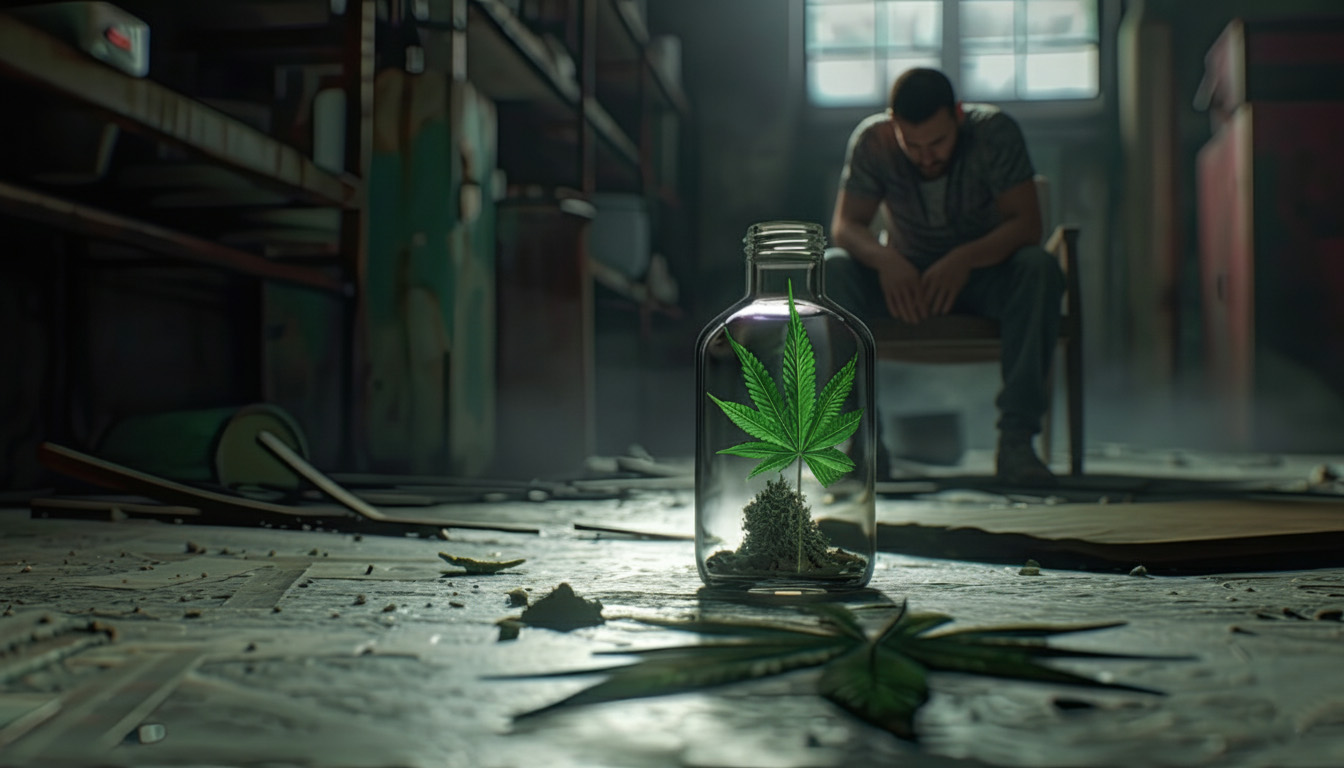
Medical Marijuana for PTSD
After going through something deeply shocking – or seeing it happen – some people wind up struggling inside. Those who’ve served in war, rushed into danger, lived through harm, survived crashes, or faced extreme situations might carry invisible weight. Memories jump back uninvited, dreams turn sharp and dark, nerves stay on edge without pause. Quiet moments become hard, connections feel strained, rest slips away. Out of nowhere, a sound or scent drags them back without warning. A whiff, a bang – memories rush in before they can stop it. Backward they go, yanked by something small, something sharp. Uninvited moments return through cracks in the day. What seems harmless becomes a doorway. Triggers hide in plain sight, waiting. Pulling hard when least expected.
Yet results differ, since while certain individuals feel relief, science has not caught up fully yet. Knowing what might help – and what could go wrong – matters just as much as hearing success stories. Each step forward begins by weighing real effects, not hopes.
Understanding PTSD
Out of nowhere, memories might flood back even when everything seems calm. Sometimes sounds snap someone into high alert without warning. A racing heart could follow thoughts nobody sees coming. Nightmares often break sleep for reasons that feel unclear. Jumpy reactions stick around like leftover echoes. Feelings of emptiness may settle in where energy once lived. Not everyone carries the weight the same way. Some stay angry more than others do. Flashbacks arrive uninvited during ordinary moments. Right now, the old feels alive again
- Recurring flashbacks or intrusive memories
- Nightmares and sleep disturbances
- Hypervigilance and heightened alertness
- Anxiety and panic symptoms
- Emotional numbness
- Irritability or anger
- Difficulty concentrating
- Avoidance of trauma-related situations or memories
When these feelings stick around, days might weigh heavier. Reaching out could shift something small at first. Some choose to sit down with a counselor, while others pair that talk with step-by-step strategies such as CBT.
Others find their way through EMDR, where guided eye movements play a role. Medicines prescribed by doctors also come into play for many. Each step forward begins differently, depending on the person.
Some PTSD Patients Turn to Medical Marijuana
Some people dealing with PTSD turn elsewhere if standard care falls short. Though not a first choice, cannabis enters the picture due to compounds like THC and CBD. These substances tap into the body’s own endocannabinoid network – a setup involved in handling emotions, reacting to pressure, resting well, and storing memories.
Potential Benefits of Medical Marijuana for PTSD
Improved Sleep Quality
Some mornings begin with a jittery mind, setting the pace for hard days ahead when PTSD is part of life. One sleepless night follows another, haunted by relentless dreams that make rest seem far away – each dawn arrives with weight dragging behind. When rest slips away, daily struggles grow sharper. Life tends to narrow when sleep won’t settle.
One person might find it easier to drift off after using cannabis for treatment. A restful night could mean clearer thinking during daylight hours. Waking up less often at night seems possible for some who try it. Moods may feel steadier when sleep improves. How someone feels by morning can shift with better rest.
Less anxiety and stress
Some people living with medical marijuana for PTSD carry a heavy weight of ongoing worry, always feeling tense. Still, certain kinds of cannabis give some people brief stretches of peace, lifting the weight gathered by afternoon.
For some folks, thoughts seem sharper once they’ve used particular remedies made from cannabis. A few notice tension slipping away without much effort. Others find daily stress easier to handle with these specific options.
Relief from Hypervigilance
Strange how loud everything gets when thoughts race nonstop. Yet for certain folks, using cannabis takes the sharpness off those endless loops, softening the world just enough to get by.
Increased Anxiety or Paranoia
One person might feel calm after using THC. Yet another could start feeling anxious, even fearful – particularly when taking more than a small amount.
Cognitive Impairment
Thoughts can get foggy for a while if someone uses THC. That haze makes it tougher to stick with what they’re doing. When attention drifts, errors tend to follow without warning. Driving becomes riskier until mental clarity returns. Work performance often dips during these moments. Normal routines feel disrupted while the mind adjusts.
Dependency Concerns
Now and then, people who use cannabis might find it hard to stop. Working hand in hand with a doctor helps track how much is used. Staying aware can prevent leaning on it too heavily.
Mixed Scientific Evidence
Some folks claim they’re doing fine. Yet when you check the 2026 research more closely, evidence supporting cannabinoids as the primary treatment for PTSD remains thin. Experts reviewing several tests noted outcomes fail to confirm meaningful benefits. One thing becomes obvious – better studies are needed moving forward. (Reuters)
Most folks might see gains, yet that promise won’t hold for everyone. What shifts things is knowing exactly what you’re aiming for when using cannabis as part of care.
Medical Marijuana Access for PTSD in 2026
It sticks around because plenty of state pot programs list PTSD as valid for treatment. What keeps happening is patients get access through those rules. The way things go now, approval often depends on local laws. Since some places allow it, people keep using cannabis this way. Rules differ, but the pattern stays similar across regions.
Even so, each state sets its own rules – yet most share similar conditions for who can qualify.
A documented PTSD diagnosis
- Evaluation by a qualified healthcare provider
- Compliance with state residency requirements
- Completion of a medical marijuana application process
- Getting permission via the state’s marijuana health plan
Across several states, those who’ve served in war zones or lived through intense trauma often turn to medical cannabis programs for help with PTSD effects. Some find relief when traditional methods fall short. States see a steady number arriving at clinics, looking for alternatives. Some people talk about reliving moments, lying awake at night, or feeling tense all day. When doctors know their past, a few suggest using natural remedies instead. This route isn’t taken by everyone who served. Still, when you look closely, certain choices show up again and again in the records. In certain regions, they make up a notable share of certified users. For some, it becomes part of daily coping.
One reason people get tripped up is different rules everywhere, so checking what’s active in your state matters before starting the process.
Medical Marijuana and PTSD Considerations?
With medical marijuana, shifts show up clearly in certain individuals. Meanwhile, a different person might detect zero difference, or tip into deeper unease.
Usually, mixing professional mental health care alongside talk therapy brings better results, daily habit shifts, sometimes adding doctor-guided medical marijuana. A full path usually means more than one piece fitting together quietly behind the scenes. Care shaped by professionals often includes talk sessions alongside changes people make at home. When needed, cannabis comes into play only after checks and clear advice from a licensed provider.
For some people, cannabis might help handle certain symptoms tied to PTSD – though it does not fix the condition itself.
Final Thoughts
When nights get long, relief might come in forms not always expected. Trouble unwinding could lead someone down less common paths. For some, rest comes easier once cannabis becomes part of routine care. Tension that lingers through days sometimes softens with its help. Constant watchfulness may fade a little after trying it. Relief shows up differently for everyone. What helps one person settle might do nothing at all for another. Relief shows up differently – stronger for some, barely there for others. Research hasn’t settled the question; results swing both ways. Not everybody responds the way stories suggest it might.
By 2026, several states still list PTSD as a condition that allows medical marijuana use, letting approved individuals obtain cannabis through official channels. Still, talking with trained doctors matters – especially since side effects exist – so viewing it alongside other therapies makes sense instead of relying on it alone.
FAQ
Is PTSD a qualifying condition for medical marijuana?
PTSD might allow someone to get medical cannabis, depending on local laws. Some places say yes; others do not. Rules change from state to state
Medical Marijuana and PTSD Explained?
True enough, but only part of the picture. Medical cannabis may quiet specific struggles; still, it doesn’t reach where PTSD begins. Some find breathing room, though labeling it a cure stretches reality thin.
Is CBD or THC better for PTSD?
Some people respond differently. Though CBD won’t get you high, it might ease tension. For certain users, THC brings relief - yet for others, it stirs unease instead.
Can veterans qualify for medical marijuana?
Some veteran can get access when PTSD counts in their state’s cannabis rules, plus they fit the needed criteria.
What are the biggest risks of using medical marijuana for PTSD?
Some days bring jitters, other times a knot in your chest. Thoughts may race while focus slips away slowly. Control feels shaky, almost like it is drifting. Clear ideas become harder to catch each morning. Over weeks, routines form without notice. Outcomes stay unpredictable, changing with little warning.