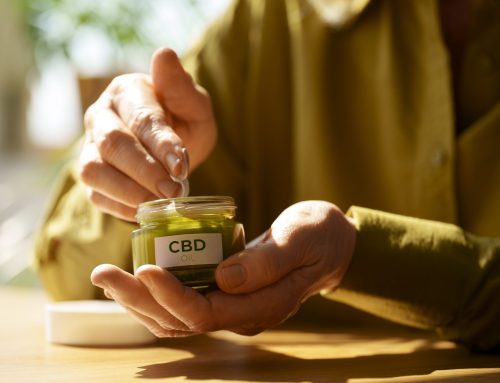

Gun ownership with a medical marijuana card
A medical marijuana card can create a legal conflict for someone who also wants to own/buy a gun. State law may permit medical use. But federal firearm law can still restrict firearm possession. The answer is not simply yes or no. The main issue is federal law. State firearm rules add another factor that can change depending on where you live. Let’s look into the details.
What Federal Law Says About Firearm Ownership
It makes it unlawful for certain people to receive and possess guns and ammunition. One prohibited category covers a person who is
- unlawful user of a substance
- addicted to a controlled substance.
The “Bureau of Alcohol, Tobacco/Firearms and Explosives” or ATF identifies this restriction under 18 U.S.C. § 922(g)(3). The rule applies even when a state has approved medical use. This creates an important difference between state and federal law. A person may have a valid card under state law. But they may still face federal restrictions based on current unlawful use. ATF updated its regulatory definition of “unlawful user”. The updated rule focuses on current use and the regularity of use. It also discusses evidence of recent use when deciding whether someone falls within the prohibited category.
Does a Medical Card Create an Exception?
No automatic federal exception exists. ATF has previously stated that federal firearm restrictions can apply to someone using a controlled substance. This is applicable even when state law permits medical use. Federal and state law do not always treat the same thing in the same way. This is why a person should not assume that a state-issued card protects the right to own a firearm under federal law. The same issue can apply to medical cannabis use.
A state may allow it for approved medical purposes. But federal firearm rules still need to be considered.
What Happens When You Buy a Gun?
Getting it from a federally licensed dealer needs “ATF Form 4473”. It has questions about controlled-substance use. The buyer must provide truthful responses before the transaction can proceed. An incorrect answer can create a separate legal issue. A person should never answer based on a guess. They must not answer based on advice from an unrelated source. ATF explains that
- people who fall into prohibited categories cannot receive and possess firearms.
- Federal gun dealers also cannot knowingly transfer a gun to someone who falls within certain prohibited categories.
Therefore, getting through a state background check does not settle every federal issue.
What If You Already Own a Gun?
Federal law covers possession. It is not limited to a new firearm purchase. This means someone who already has a gun should not assume that a later change in medical status has no effect. The gun possession timing and current substance use can matter a lot. The 2026 ATF rule also provides important context. It discusses current use. It explains that federal courts have generally looked for a connection between “regular use” and “firearm possession”. Because the facts can differ from one person to another, legal advice is important before making a decision about an existing gun.
Do State Laws Change the Answer?
These can differ significantly.
Some states have detailed firearm permit systems. Others have different rules for ownership/ possession and concealed carry. A medical-use card may also be treated differently under state law. But state permission does not automatically override federal law. Massachusetts provides a direct explanation of the conflict. Its official legal resource states that a person who uses marijuana for medical purposes may still be prohibited from possessing firearms under federal law.
Connecticut has its own firearm permit requirements. The Connecticut State Police lists several grounds that can prevent someone from receiving a pistol permit and firearm eligibility certificate. These include certain convictions and other restrictions. Kentucky also requires concealed-carry applicants. This is essential to meet federal and state eligibility standards. Its official requirements include a rule against being an unlawful user of or addicted to a controlled substance.
All this showswhy a person should check the rules for the state where they live instead of relying on another state’s experience.
What About a Gun Kept at Home?
A common question is whether the rules only affect people who want to buy a new firearm. Federal law also addresses possession. Therefore, the issue can extend to a gun already kept in a home. The exact facts matter. Current use and firearm possession have to be considered. Also, applicable federal and state rules all need to be considered. A person should not assume that keeping a firearm at home is automatically acceptable because it was purchased before getting a medical card.
Does the Type of Gun Matter?
The federal restriction is not limited to one type of firearm. Different types of guns can raise the same federal concern when the prohibited-person rule applies. A hunting rifle does not automatically fall outside the rule. Ammunition also has to be considered. This is because federal restrictions can cover ammunition as well as firearms. State hunting laws can add separate requirements. Someone who hunts should therefore consider firearm/hunting rules and medical-use laws separately.
What If You Have a Card but Do Not Use It?
This situation can be more complicated than simply looking at whether it is active or not. A card and current use are not necessarily identical facts. What about the 2026 ATF rule focuses on the meaning of current unlawful use and the evidence that can support such a finding. At the same time, a person should not assume that an expired and cancelled card automatically removes every federal concern. The timing of use is also important. The nature of the use matters. The firearm situation also has to be considered. State law can also add another set of requirements.
Anyone in this situation should speak with a lawyer. Make sure that the lawyer understands firearm and controlled-substance law before buying/selling/transferring a firearm.
Can You Apply for a “Gun Permit”?
A state may allow eligible residents to do this. The application can involve:
- Identification
- Background checks
- Training
- Legal eligibility
Requirements vary by state. A state permit does not automatically cancel federal restrictions. Firearm licensing and firearm possession are not exactly the same issue.
What are the Common Mistakes to Avoid?
One blunder is assuming that state medical-use laws automatically override federal firearm law. Another mistake is treating the medical card itself as the only important fact. Federal rules can focus on unlawful use and the circumstances surrounding that use.
Some people also assume that an old card settles the issue. That is not necessarily true. Another serious mistake is providing an inaccurate answer on “ATF Form 4473”. Federal firearm forms should never be completed by guessing. Finally, people sometimes use advice from a friend and an online forum. Firearm laws can vary by state. They can change with time. A personal situation may also have facts that change the legal outcome.
Final Words
Start by checking the federal rules. Then review the firearm laws in your state. Look at the requirements for
- firearm ownership,
- purchase, and
- permits.
If you currently use marijuana/have a medical card, speak with a qualified attorney. Do it before taking action involving a gun. Do not assume that state approval makes firearm possession legal under federal law. Do not assume that an expired card automatically removes a federal restriction either. The right answer depends on your current use and gun status. It also depends on state law and other facts.
Get started with EZ MedCard for a convenient online medical card evaluation and renewal experience.
FAQ
Can a medical card prevent me from buying a gun?
It can create a federal legal issue when the person is considered an unlawful user of a controlled substance.
What if I already have a gun?
Possession comes under federal firearm law. If a person falls into a prohibited category, keeping it can raise legal concerns.
Does state law protect firearm ownership?
State law may provide separate rights and restrictions. Those rules do not automatically cancel federal firearm requirements.
Can I answer “no” on Form 4473 if I have a medical card?
Do not guess. Form 4473 contains specific questions. These questions are about “controlled-substance use”. Anyone who is unsure should speak with a qualified attorney. Do this before completing the form.
Does an expired medical card remove the firearm restriction?
No. Federal rules focus on unlawful use. It also focusses on the surrounding facts.