
How Tariffs Affect the U.S. Cannabis Industry is an important topic as the cannabis market in the United States continues to grow every year.
This industry is expanding so quickly. So any change in national trade policy can affect it in major ways.
One of the biggest questions today is the way new tariffs might influence the supply chain and product pricing. It is also important to check the way in which it will affect its long-term availability. Tariffs may seem like a distant issue for many patients. But they can affect the cost and safety of the products people use every day.
Understanding The Way Tariffs Work
Understanding how tariffs affect the U.S. cannabis industry helps patients and businesses prepare for changes in pricing, supply chains, and product availability.
These are taxes that the U.S. government places on goods imported from other countries. When the government increases these taxes, companies must pay more when they bring foreign products into the country. These higher costs get passed down the supply chain. This means the final prices increase for businesses and consumers.
This plant product cannot legally cross U.S. borders. This is because it remains illegal at the federal level. But many items that this industry uses every day do come from outside the U.S. For example
- grow lights
- specialized soil
- extraction equipment
- packaging materials
- lab testing machines
All these things come from foreign manufacturers. These items support nearly every part of this product’s supply chain. So tariffs can affect the industry in indirect but powerful ways.
Tariffs Influence Production Costs
These plant product businesses depend on equipment that helps them maintain safe and consistent growing settings. When foreign-sourced supplies become more expensive, growers and processors must spend more to operate. This increase in production cost becomes part of the final product price.
Growers frequently import
- LED lighting systems
- climate-control parts
- irrigation tools
- hydroponic systems
Extraction labs use the following things that help to process cannabis into oils and concentrates.
- imported stainless-steel parts
- solvents
- machines
Packaging companies import
- child-resistant containers
- glass jars
- vape hardware
If tariffs make these products more expensive, the overall cost of producing this plant product increases across the industry.
Many small businesses operate with very thin margins. When tariffs push their costs higher, they must decide whether to absorb the expense or raise their prices. Most companies cannot absorb these new costs for long. So patients may eventually see higher prices at dispensaries.
Effects on Patients
Higher prices can directly affect people who rely on this product for relief from
- chronic pain
- anxiety disorders
- PTSD
- cancer-related symptoms
- other qualifying medical conditions
Many patients already struggle with the cost of treatment. This is because insurance does not cover this product. Tariffs may increase the price of
- Equipment
- Packaging
- other supplies
In that case, dispensaries may increase the price of
- Tinctures
- Edibles
- vape products
Some patients use this plant every day to manage long-term health issues. When prices rise, these patients may feel the financial pressure more than occasional users. In some states, medical programs try to keep pricing stable. But market forces may still influence what dispensaries can afford to sell. This is why patients need to stay informed. They must know what is happening in the broader industry.
Impact on Product Variety and Availability
Tariffs can also change what products appear on dispensary shelves. Some companies may stop producing certain items. This can happen because they rely on expensive imported components.
Growers might also reduce the number of strains they cultivate. This is because each strain requires specific nutrients and lab testing procedures. When costs increase, they may choose to focus on a smaller group of popular strains that guarantee sales. This can reduce the variety available to patients who depend on specific strains for targeted relief.
This industry is known for rapid innovation. New extraction methods and new edible formulations appear every year. If tariffs raise production costs, some companies may delay and may even reduce product development. This can slow innovation and limit new medical options for patients.
Tariffs May Affect Testing and Safety
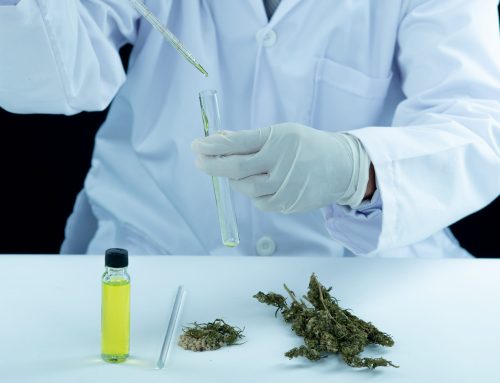
Every state requires products to undergo strict lab testing to check for
- Potency
- Pesticides
- Mold
- Heavy metals
- Other contaminants
Testing labs must use advanced machines that come from international suppliers. Tariffs can increase the price of these machines and replacement parts. It may also increase the cost of chemical testing materials.
If lab operating costs increase, testing fees may rise. Some small growers may struggle to cover the extra expense. This can lead to
- Delays
- Reduced testing capacity
- Pressure on labs to rush testing
Safety rules remain in place. But the increased costs can create problems throughout the system.
Patients depend on accurate lab results to know what they are buying. Tariffs that raise testing costs indirectly affect safety by placing pressure on already busy labs. The goal is always to maintain strict safety standards. But tariffs can make this part of the industry more expensive and complicated.
Possible Benefits of Tariffs for the Industry
These taxes may also encourage long-term improvements. When foreign equipment becomes too expensive, U.S. manufacturers may begin producing more supplies domestically. This shift can create a stronger local supply chain. It can reduce long-term dependence on imported materials.
More domestic manufacturing can lead to:
- Faster delivery times
- Better supply stability
- More control over quality standards
- More jobs in the U.S.
These benefits take time to develop. In the short term, companies may face challenges as they adjust to the higher prices caused by tariffs.
Ways In Which Tariffs Influence Competition Between States
The cannabis industry operates differently in each state.
Some states have large, established markets with strong local suppliers. Other states rely more heavily on imported equipment and materials. Tariffs can increase the price gap between these markets.
For example, a state with many local growers and equipment makers may experience fewer price increases than a state that imports the majority of its supplies. This can change where companies choose to invest. Some businesses may move operations to states with more stable supply chains to avoid high costs.
Because each state controls its own rules, tariffs can create uneven effects across the country. Patients in some states may barely notice a change. But patients in others may see significant price increases.
Long-Term Effects on The Product Policy
As tariffs affect pricing and supply chains, lawmakers may start paying closer attention to federal rules. Many industry leaders believe that full federal legalization could simplify the supply chain and reduce costs. If tariffs highlight weaknesses in the industry, politicians may feel more pressure to support nationwide reform.
Some experts believe that tariffs may indirectly accelerate the push for:
- Federal banking access
- Nationwide distribution
- More research funding
- Uniform safety standards
Any step toward modernization can improve patient access and reduce long-term costs.
Conclusion
Tariffs will likely continue to influence the industry for the next few years. Patients may notice small changes in pricing and availability. Many businesses are working hard to reduce the impact on consumers. Companies are finding new suppliers and checking for domestic manufacturing options.
Patients should stay informed. They must check the lab test results. They must rely on trusted medical professionals for assistance.
As policies evolve, understanding how tariffs affect the U.S. cannabis industry remains essential for patients seeking affordable and safe access.
If you want safe access to this product and expert help through the process, you can book an appointment with EZMEDCARD today. Our team will help you at every step