Marijuana Affect Dopamine and Brain Neurotransmitters
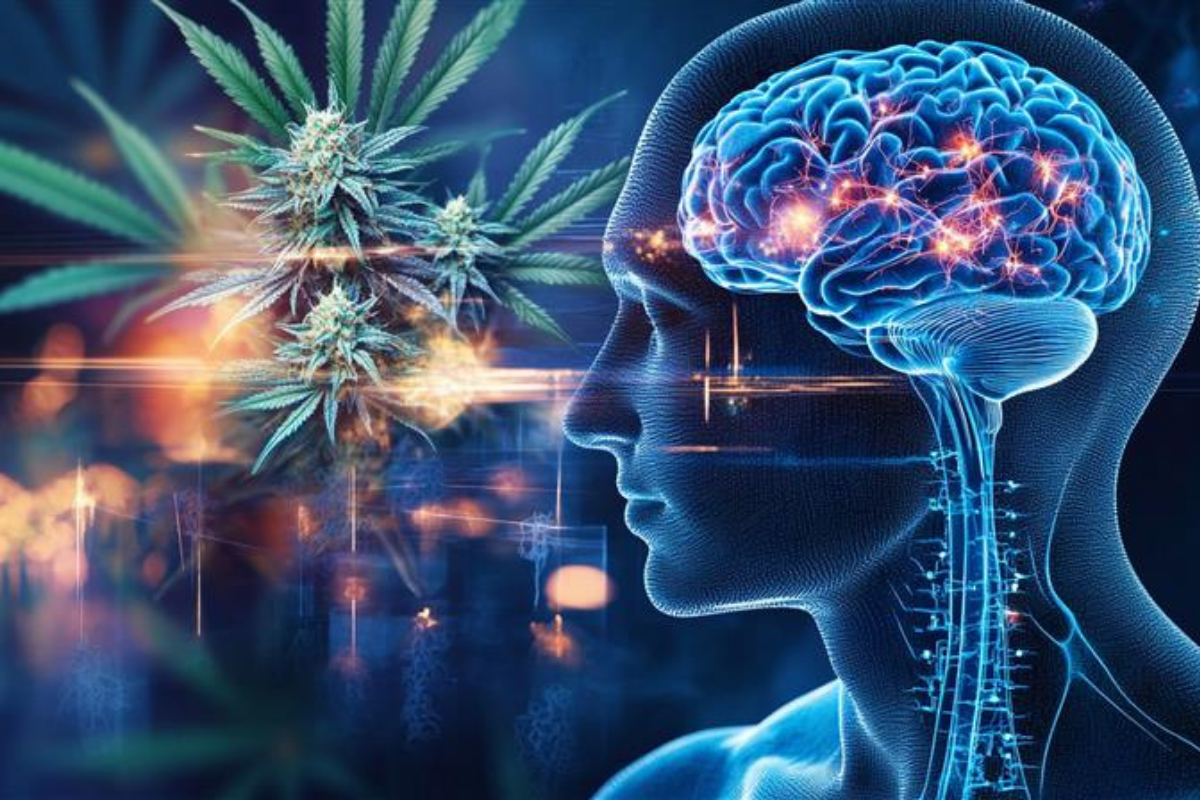
Marijuana sort of messes with more than just your mood right then and there. It actually changes the way signals zip around in your brain. So that’s why the effects can hit different, like making you feel relaxed or maybe even more driven sometimes, but dull or just flat emotionally other times, especially if you use it a lot or keep going for longer periods. To really get why it impacts things like motivation, focus, mood, and even how pleasure works, you need to check out what happens with dopamine and those other neurotransmitters in the brain. This is exactly what Marijuana Affect Dopamine and Brain Neurotransmitters is all about.
This is not me trying to scare anyone or blow it out of proportion. It’s more about figuring out how cannabis messes with brain stuff, so folks can decide for themselves instead of buying into those half-baked stories or super simple ideas that miss the point. Understanding how marijuana influences dopamine and other neurotransmitters helps clear up confusion and gives a more balanced view.
Understanding Neurotransmitters and Why They Matter
Neurotransmitters, they are these chemical things in the brain that help nerve cells talk to each other. They control a bunch of stuff like how you feel mood-wise, or your motivation, even sleep, and what you want to eat, and how you handle pain or emotions. Does Marijuana Increase Heart Rate is another question people often ask while trying to understand how cannabis affects the body and brain.
Dopamine stands out a lot, because it is key for reward and pleasure, and getting you motivated or reinforcing behaviours. Like when dopamine goes up, things just feel better and more fun to do. But if it drops or gets out of whack, you might end up feeling kind of flat or not wanting to do anything, maybe even numb emotionally.
Marijuana does not hit dopamine straight on, but it influences it somehow indirectly. And it is not just that, the stuff also messes with other neurotransmitters, you know, like serotonin for mood, or GABA and glutamate, which are involved in calming or exciting the brain, and norepinephrine too. All that mixing together is what makes the experience with cannabis feel a certain way mentally and emotionally, which ties back to Marijuana Affect Dopamine and Brain Neurotransmitters overall.
How THC Interacts With the Brain
THC is basically the main thing in marijuana that gets you high. It does not work exactly like dopamine, you know. Instead, it messes with this endocannabinoid system in the body, which helps regulate how the brain talks to itself or something like that.
When THC hits those cannabinoid receptors up in the brain, it changes the way neurons pass signals around. That leads to more dopamine getting released in parts of the brain tied to feeling good and rewards. It seems like that’s the key to why people feel that rush.
The dopamine boost is what makes the relaxation or euphoria happen for a lot of users. It can quiet down stress too, or stop those nonstop thoughts for a bit. Some people really notice that emotional lift, at least right after. This is another practical example of Marijuana Affect Dopamine and Brain Neurotransmitters in real time.
Marijuana Affect Dopamine and Brain Neurotransmitters
When you use marijuana in the short term, it can make everyday stuff feel a lot more fun. Like, music might hit different, sound better somehow. Food tastes richer too, more intense. And stress, it just seems less overwhelming for a bit. That’s because THC affects dopamine, the neurotransmitter in your brain that signals rewards and novelty, kind of tweaking how you notice those things. For people who only use it now and then, that dopamine bump is pretty temporary. It usually goes back to normal once the high fades. The brain sort of keeps its balance intact, so your regular motivation and ways of feeling pleasure don’t get messed up.
This is why a lot of folks can try marijuana occasionally and not see any real lasting changes in their head or emotions. It feels like the effects just pass without sticking around.
What Happens With Frequent or Long-Term Use
The brain kind of adapts when you use marijuana a lot over time. It gets used to that extra stimulation from THC or whatever, so it starts changing how it works. That’s why some people end up feeling less excited about normal stuff.
With all that regular exposure, the brain’s natural dopamine stuff gets dialled down a bit. Not like it goes away completely, but the signals don’t hit as strongly. So without the weed, things just seem dull. This longer-term adjustment is also part of Marijuana Affect Dopamine and Brain Neurotransmitters, especially when use becomes frequent.
Effects on Other Neurotransmitters
There’s GABA, which basically chills out the brain by inhibiting signals. THC seems to boost that in some spots, making things relaxing and cutting down on anxiety. But it also dials back glutamate, the one that ramps up excitement and helps with focus. Kind of explains how it can feel soothing yet make it hard to concentrate or remember things clearly.
Norepinephrine plays into alertness and how you handle stress, and cannabis tweaks that as well. It leads to shifts in heart rate, how attentive you are, and even how reactive your emotions get; the effects overlap with the others.
Why Everyone Responds Differently
Not all people react to marijuana in the same way. It depends on things like your brain chemistry or genetics, and also stuff from your past with mental health, plus how much you take and how often.
Some people get calmer and more focused from it. But others end up feeling kind of foggy or anxious, maybe even disconnected a bit. Some people do not notice any changes over time at all. Then again, for some, it shifts things gradually, like how motivated they feel or how they connect emotionally. That response from the brain to cannabis, it is pretty individual, right? No one reaction is the right one.
Can Dopamine Levels Recover After Stopping Marijuana?
Yes, in a lot of situations it does. The brain can bounce back pretty well. Like, if you cut down or quit using marijuana, that dopamine stuff in your brain starts to get back to normal after a while.
How long it takes really varies based on how much and how often someone was using it. Some folks say they feel more motivated and their mood picks up in just a few weeks. But for other people. That whole recovery thing is probably why taking a break from it, or using less, ends up feeling kind of refreshing mentally for some.
Marijuana, Mental Health, and Neurotransmitter Balance
When people turn to marijuana to deal with anxiety or depression, or just everyday stress, it can mess with neurotransmitters in ways that help at first but get tricky later on. The short-term calm it gives doesn’t always stick around for the bigger picture of feeling balanced.
If you’re using it mostly to handle emotions, the brain might start depending on it instead of figuring things out on its own. That doesn’t make cannabis bad right off the bat, but yeah, you have to be careful about that. Knowing a bit about Marijuana Affect Dopamine and Brain Neurotransmitters could make someone use it more on purpose, instead of just grabbing it every time without thinking.
Final Thoughts
Marijuana affects how the brain talks to itself, you know, by messing with dopamine and serotonin, and GABA too, along with other chemicals. Depending on who you are and how often you use it, that can seem helpful sometimes, or just okay, or maybe even throw things off a bit. The main point here is not really about whether it’s good or bad overall. It’s more like marijuana actually does something inside the head; it’s active in there. How to Get Marijuana Out of Your System Faster is another topic people often look into when thinking about its overall effects on the body.
If you get what those changes are, it helps with picking options that keep motivation going and emotions steady, and help out in the long run, instead of fighting against all that. The brain does best when things are balanced. For some people, marijuana might slot into that, but only if you actually pay attention to what it’s doing, rather than just brushing it aside.