Medical Marijuana Patients
Most people feel a bit unsure their first time walking into a dispensary, even if they’ve struggled with a qualifying condition for months. Getting approved for medical cannabis can feel overwhelming at first – especially after trying everything else under the sun. That first visit? It tends to sit heavy in your chest, like stepping onto unfamiliar ground without a map. Strange items line the shelves, words sound clinical, choices pile up – no wonder confusion hits. Starting? It happens to most people.
Dispensaries set up support systems so people feel steady when exploring options. Right off, knowing the steps ahead eases tension – suddenly it’s less about guessing, more about matching choices to personal health targets.
Here’s what you should know before your first visit.
Getting Ready for Your Trip
Got plans to visit a dispensary? Check that your paperwork is ready first. They usually need proof – like an ID or medical note – to let you through the door.
A valid government-issued photo ID
Your medical marijuana card or physician certification
Additional paperwork demanded by the state
Notes help keep track of everything that’s happened so far. When you meet in person, having them means less chance something gets missed.
Check payment methods accepted by the store before you go there. What they allow might surprise you at checkout time. Most places take debit, though a few stick mostly to cash.
The Check-In Process
Most times, someone at the front desk welcomes you when you walk in. They check your ID along with proof of medical cannabis approval. State rules demand this part before going further.
Starting at a dispensary might mean filling in a quick form. After they check what you provided, access opens up to the central space. That is where items sit on display, also where staff talk with customers about choices.
Expect tight rules at first glance. Since medical pot shops follow clear laws, protecting patients matters a lot to them.
Meeting a Budtender
Start by chatting with a budtender – they know their way around cannabis. These team members spend time learning how each product works. Figuring out what fits begins when words start flowing. A chat can shine light on hidden preferences. Sometimes answers come only after speaking them aloud. Thoughts gain shape through conversation. What works reveals itself in dialogue. Speaking unlocks choices that stay buried in silence.
During your consultation, the budtender may ask questions such as:
Some days it changes just because how you feel shifts. Other times, the whole plan moves when signs show up differently medical marijuana patients.
Used cannabis at any point in your life?
Wondering if your need is for morning comfort or evening ease?
Smoking your thing, or does vaping pull you in instead? Maybe neither grabs your interest at all. Inhaling not always the move – some skip it completely.
Hope shaping what outcomes? Expectations driving which results?
Start by sharing how much you know and what’s really going on – this gives the budtender clearer ground to work from. Because of that, suggestions tend to line up better with what you’re after. When details are clear, picks often feel more spot-on. That kind of openness shapes a better fit in the long run.
Understanding Product Options
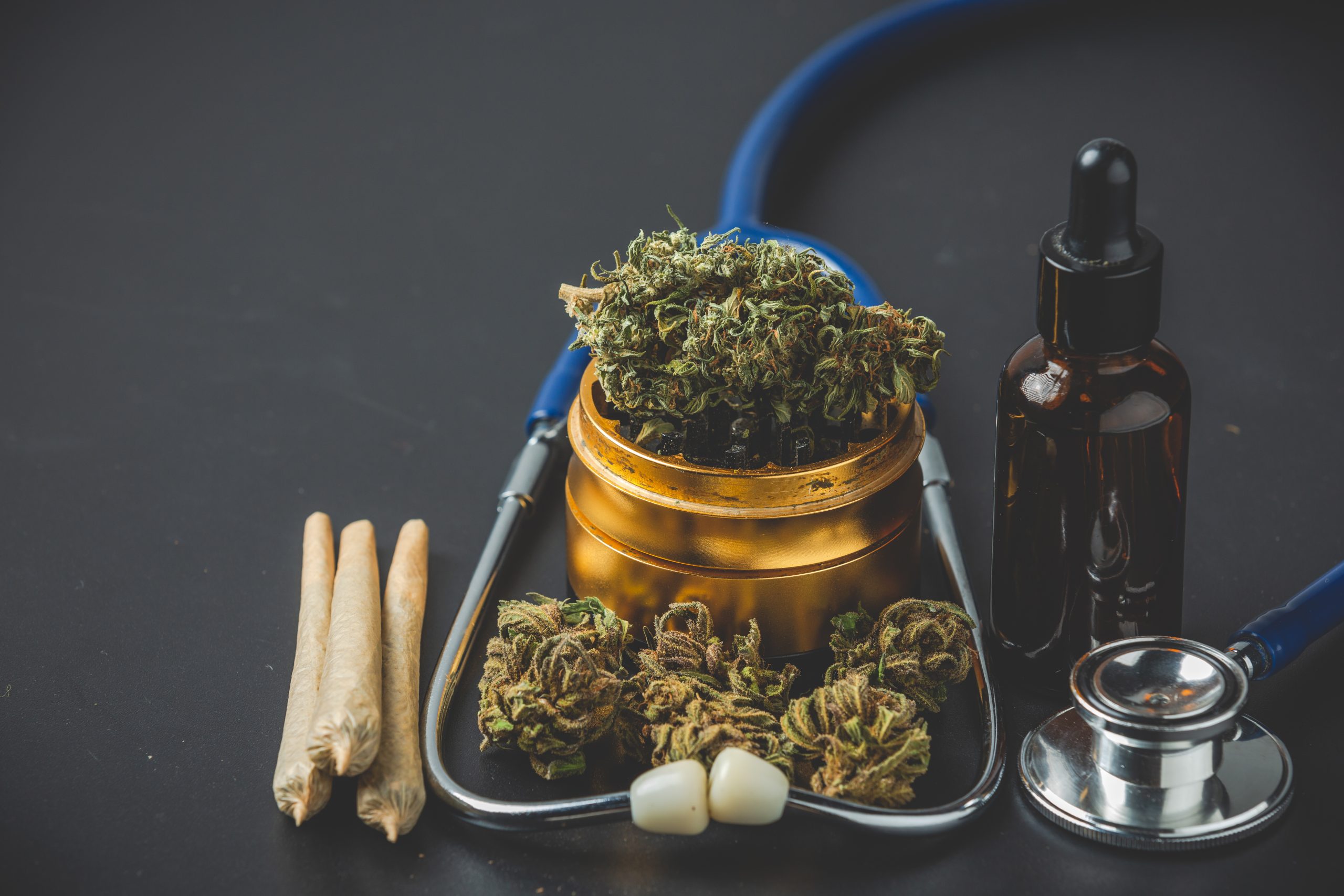
Surprised, many new patients walk in expecting one thing – then see shelves full of options. Not just smokeable flower, but oils that slip under the tongue, pills taken like vitamins, even candies that taste like dessert. Some feel changes within minutes; others wait hours before noticing shifts. Each version moves through the body at its own pace.
Flower
Smoke or vapor comes from the dried part of the plant known as cannabis flower. Fast results let users fine-tune how much they take. Most feel changes soon after using it.
Edibles
Chewy candies, cocoa treats, drinks – these carry active ingredients too. Not fast to kick in, yet their impact tends to stick around much longer.
Tinctures
Under the tongue goes a drop of liquid weed extract – tinctures deliver exact amounts without burning it. Some folks skip smoking; these choose tinctures instead.
Capsules
Starting with capsules, many find them an easy match for daily routines. Their dose stays steady every time you take one. Some prefer this form because it feels routine. Each capsule delivers what’s expected without guesswork involved.
Topicals
Topical treatments like creams sit on the surface, reaching only specific areas when needed. These forms skip any mind-altering outcomes altogether. Lotions glide on easily, targeting spots that feel strained or off. Balms work similarly, bringing quiet relief where rubbed.
THC and CBD explained
People toss around THC and CBD a lot once you step inside.
That high you get from weed? THC causes it. Yet CBD does not bring intoxication. Instead, calmness ties to cannabidiol. Wellness benefits often link up with this compound too.
Starting? Talk to your budtender about THC strength – it really matters when trying cannabis for the first time. While certain items pack more THC, some highlight CBD instead, yet plenty mix both in equal measure.
Start low and go slow.
Starting small often works best when trying something new. A slow rise can follow only if it feels right. Some find this way fits their body better.
Heavy use of cannabis, particularly types high in THC, might cause dizziness, unease, or nervousness. Begin low so your body has time to react, making tough moments less likely. Sometimes calm steps prevent shaky outcomes.
Wait times matter most with edibles because the body needs time to process them – effects often show up after ninety minutes or more.
Questions to Ask
Curious about your first trip to a dispensary? That moment opens space for understanding – feel free to speak up when something feels unclear. Try phrases like: What would you suggest for someone new here?
What items suit new users most?
Starting dose – how much makes sense first? Figure that out before moving on.
For how much time do things stay changed?
What unwanted reactions might happen? Could something go wrong after taking it?
What items usually come up when talking about this health issue?
Spending time on questions matters most when care feels personal. What counts is how clearly they explain things you need to know.
Common mistakes to avoid
Fresh faces in the clinic tend to trip over similar slips. Sidestep these: missing appointment windows, skipping paperwork prep, forgetting past treatment details, downplaying symptoms, showing up unready to describe health history clearly.
- Consuming too much too quickly
- Ignoring dosage instructions
- Mixing cannabis with alcohol
- Driving after consumption
- Expecting immediate results from all products
Hang on a bit, stick to what you’re told – things tend to go smoother that way.
Final Thoughts
First time walking into a dispensary? It could seem odd at first – but fear isn’t needed here. People who work there stay close by, guiding step by step so confusion never sets in. Come ready – know what kinds of products exist; try just a little at the start. Confidence grows quietly when small steps lead the way.
It might take a while to land on what works. Since each person reacts in their own way to cannabis, moving slow and paying close attention makes all the difference. What helps one won’t always help another.
FAQ
1. What do I need to bring to a dispensary?
A picture ID that counts, plus proof you’re cleared for medical cannabis. One shows who you are, the other says you’ve got permission. Both must come along - no exceptions. Not just any image of a license - it has to be real, current. The approval bit? Could be a card or official note. Without both, nothing moves forward.
2. Will a budtender help me choose products?
Budtenders know how to walk people through what's available, sharing clear details along the way. Their role includes helping users understand each choice without confusion or clutter.
3. How much should I buy on my first visit?
Try just a little at first so you get used to what each product does. How things feel can change slowly as you go. One thing might surprise you when another doesn’t do much. Take your time figuring it out piece by piece. Some reactions show up fast, others need days. What works now could shift later on. Pay attention without rushing ahead.
4. Are edibles stronger than smoking?
When eaten, the effects often seem more intense since digestion changes how it works. Lasting quite a while, they unfold more slowly through the system
5. Returning Cannabis Products?
Some shops set their own return rules, while others follow local laws. How returns work depends on where you are and who runs the place.