Medical marijuana for PTSD
Okay, so let me just start with the thing that nobody really captures properly. Medical Marijuana for PTSD is unpredictable in a specific, maddening way. You can string together a few decent days, genuinely decent, where you functioned and maybe even felt something close to normal. And your brain starts doing that thing where it goes, see, maybe you’re past the worst of it. Maybe things are shifting.
Then something gets you. Not something big. Something stupid, honestly. A particular smell. The way light comes through a window at a certain angle. Someone’s laugh sounds like someone else’s laugh. And just like that, you’re not where you are anymore. Your body is there, but everything else has gone somewhere else entirely, somewhere you didn’t choose and can’t immediately come back from.
The unpredictability is genuinely its own problem on top of everything else. You can’t plan around it. Can’t white-knuckle your way through it by being prepared enough. It just shows up. So, if you’ve been thinking about whether medical marijuana is worth looking into for PTSD, this is my honest attempt at laying out what we actually know. Not trying to sell you on it. Not trying to scare you off either. Just the real picture, as best as I can give it.
PTSD and what it actually is because this part matters
A lot of people still think of it as basically being really stressed about a bad memory. The solution should just be to process it and move on. That framing misses the point pretty badly. What happens with PTSD is that the nervous system gets locked into threat mode and has serious trouble coming back out. The brain decided, at some point during or after whatever happened, that the danger wasn’t over. So it kept the protective systems running. All of them. Indefinitely. And now they keep activating in contexts that have nothing to do with the original event.
The things that cause it are all over the map. Combat. Abuse, childhood or otherwise. Accidents. Assault. Sometimes, witnessing something terrible without being directly involved is enough. There’s no official threshold of severity that qualifies. The whole thing is about how a particular nervous system responded to a particular experience. That varies between people, and there’s no use judging it.
Symptoms are just as varied. Flashbacks aren’t memories exactly; they’re more like being physically pulled back into the experience. Sleep becomes a whole separate problem, nightmares, waking up at 3 am already in fight or flight, lying there unable to come down. Hypervigilance, which sounds clinical but really just means you’re never fully relaxed, background sounds register as threats, you’re scanning constantly without deciding to. Some people go numb emotionally, cut off from feelings, cut off from relationships. Others restructure their entire lives around avoidance.
Slowly, quietly, it takes things apart. Careers. Marriages. A person’s sense of themselves.
Therapy is good and also not always enough on its own
EMDR and CBT are the real deal. Solid evidence, genuine results for a lot of people. The goal is actually processing the trauma rather than just managing symptoms around it, and both approaches can get there.
The thing is, though, they’re demanding in ways that are worth acknowledging. Consistent attendance, emotional capacity week after week, showing up and doing things that are uncomfortable on purpose. When you’re already running on bad sleep and a constant low hum of anxiety, maintaining that kind of sustained effort is hard. Not impossible, but genuinely hard.
Medication fills in gaps for some people. Takes enough of the intensity down that other things become more accessible. But side effects derail a lot of people, and some medications dull more than intended. And plenty of people do everything right and still end up somewhere in the middle, not in crisis but not well either. That middle ground is usually where the questions about other options start, including whether getting a medical marijuana card might offer additional support for managing symptoms.
What medical marijuana is, without the pitch?
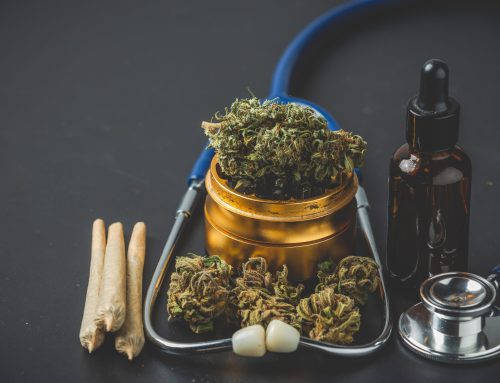
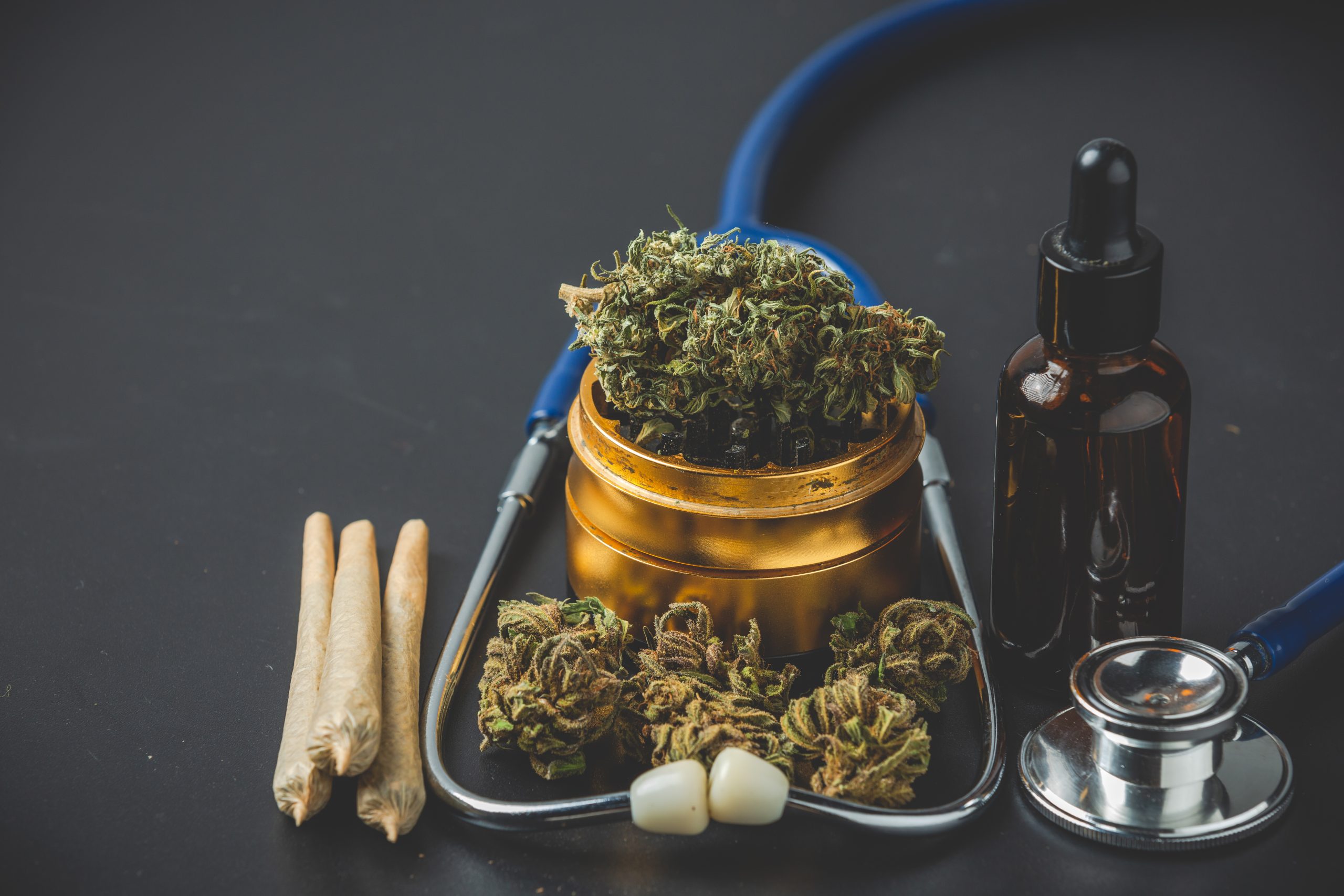
Same plant. The distinction is using it with a therapeutic purpose and with medical oversight rather than just casually. Two compounds are worth understanding. THC is what produces intoxication, changes mood and perception, and affects how the brain processes things. CBD doesn’t get you high; it leans toward calming effects and some anxiety reduction. At the same time, some people have practical concerns, like Does Marijuana Increase Heart Rate?, especially when considering THC-dominant products.
Both interact with the endocannabinoid system, which is your body’s built-in regulatory network for sleep, stress, mood, and memory processing. In people with PTSD, this system tends to be out of balance. Some research has actually found lower levels of certain naturally occurring cannabinoids in PTSD patients than in people without it. The theory is that cannabis might help bring some balance back there. Still a theory. But grounded in something.
What people say changes, actually?
Sleep is almost always mentioned first. PTSD attacks sleep from multiple directions at once. Nightmares, racing thoughts, waking already tense. Some people find that cannabis helps them actually fall into sleep and stay there long enough to feel like something. Not perfect sleep. Just sleep. Real sleep. After long enough without it that shift alone is significant.
Anxiety is the other consistent one. That background tension that runs underneath everything, regardless of what’s happening around you. Some cannabinoids seem to reduce it enough that a regular day doesn’t feel like such an effort to get through. Doesn’t disappear. But lower is different from gone.
Flashbacks are harder to speak to. Most people don’t say they stop. Some describe them feeling less total when they happen, less all-consuming. That’s real, even if it’s hard to measure. The emotional numbness piece is worth mentioning separately. Some people who’ve felt completely disconnected from themselves and everyone around them describe feeling more present after using cannabis. More able to actually feel things. This matters specifically for therapy because therapy only works if you can access your own emotional experience.
Research, and being straight about what it does and doesn’t show
Mixed results, genuinely.
There are studies, some involving veterans, that show meaningful improvements in sleep and anxiety for PTSD patients using cannabis. Worth taking seriously. But many are small studies. Some rely on self-reported data. Cannabis varies so much between products and individuals that findings don’t transfer cleanly across studies.
Real answer right now: seems to help some people with some symptoms. Can’t tell you who, how much, or what approach works best for a given person. Research is still catching up. Enough to pay attention to, not enough to call settled.
Before you try it, a few honest things
Might not work for you. Individual responses vary a lot. No version of this comes with a guarantee. High THC can make anxiety worse. Documented issue, not a rare one. Paranoia and heightened anxiety are real side effects, especially at higher doses. CBD-dominant or balanced products are usually the smarter starting point for PTSD specifically.
Dependence is a real risk. Not inevitable but real. People with PTSD may be at slightly higher risk. Doctor involvement matters here practically, not just as a formality. Legality varies. A lot. Know what’s actually available and legal where you live before any of this is relevant to your situation.
Practical stuff if you do go ahead
Start low. Seriously. Not as a cautionary thing, just as the sensible way to actually learn how your body responds before you’ve made it too much to learn anything useful from.
No alcohol combination. Unpredictable amplification is generally unhelpful. Don’t drive. More impairment than people usually estimate. Track what you’re taking and what you notice. Useful for you, useful for your doctor. Keep going to therapy. Symptoms being quieter isn’t the same as the underlying thing being resolved. But it might mean you’re more able to do the work of resolving it. That’s actually the goal.
Getting started
Process varies by location. It generally involves a qualified doctor assessing you and certifying you for medical use. Some places require a medical card.
If the process feels like a barrier, EZ MedCard exists specifically for this. They connect you with doctors who handle these assessments regularly, walk you through what’s needed, and handle the administrative side that stops a lot of people before they’ve started.
Final Thoughts
PTSD doesn’t respond to willpower. Standard treatments help a lot of people and leave others somewhere in the middle. Medical marijuana isn’t a cure. Doesn’t fix the root thing. But for some people, it reduces specific symptoms enough that daily life becomes more manageable and other treatments become more accessible. Sleep and anxiety, especially. That’s worth something. This may be partly linked to how Marijuana Affect Dopamine and Brain Neurotransmitters, influencing mood, stress response, and emotional regulation.
Do it properly if you’re going to do it. Doctor involved. Start carefully. Part of a plan, not the whole plan. Realistic expectations. Sometimes something only helps a little. After a long stretch of nothing helping, a little hits differently.
FAQ
Does it cure PTSD?
No. What it might do is reduce how loud certain symptoms feel for some people. Very different from curing something.
Is it Safe?
Depends entirely on the person and how it's used. Many people, under medical guidance, yes. Safe for some isn't safe for everyone, though. Zero-risk claims aren't honest.
What does it help with?
Sleep most commonly. Anxiety second. Sometimes flashback intensity. That's what evidence points toward.
Need a doctor?
Yes, legally in most places. Also, just practically. Someone should be monitoring things, especially if other medications are involved.
Use it instead of therapy?
Wrong move. Therapy works through the trauma. Cannabis manages symptoms while that's happening. Need both, not one replacing the other.