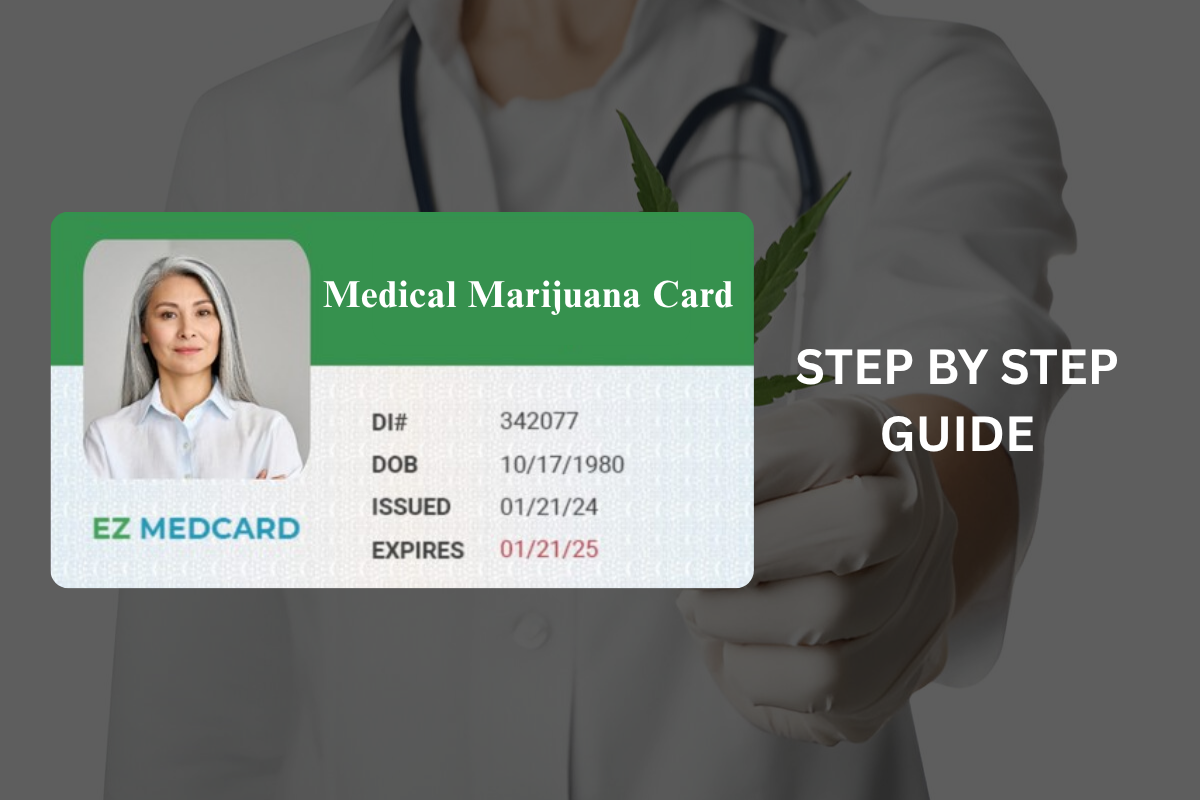
How to Get a Medical Marijuana Card Online in 2026
People dealing with chronic pain or nerve issues keep reaching for medical marijuana more and more.
It eases anxiety pretty well, along with some other rough spots like that. The thing is, the real shift comes from how U.S. states have loosened up on cannabis laws bit by bit over the last decade. You’d think it’d be slower, but nope – it’s picked up steam. Kinda makes you wonder what’s next for all this. People can now get it legally if a doctor suggests it.
By 2026, snagging that medical card will feel way less of a hassle. Telehealth setups and online health services make it possible to handle almost everything from your couch. No need to drag yourself to an office.
The real question on most minds? How does this online route actually play out, step by step? Requirements differ a bit depending on where you live – that’s the catch. But overall, the setup looks pretty much the same in a lot of these state programs.
Here’s the rundown on grabbing a medical marijuana card via the web in 2026. Let’s see, the steps to apply and what comes next once you’re in.
Step 1: Check Your State’s Medical Marijuana Laws
Getting that medical marijuana card online? It all kicks off by digging into your state’s rules. Thing is, these programs run on state turf, so the whole setup – what conditions qualify you, what you need to apply, how it works – shifts from one place to the next.
A few spots let you handle everything remotely, like virtual doctor chats and full digital apps. But others? They make you show up in person once, at least for the start, before you can switch to online renewals later on. Most states require patients to meet some basic eligibility criteria, that including:
Being 18 years or older (or having a caregiver apply for minors)
Having a qualifying medical condition
Providing proof of state residency
Check your state laws first. Medical marijuana has to be legal there, and telehealth visits need to be allowed, too. This is the first step in understanding How to Get a Medical Marijuana Card Online in 2026?
Step 2: Determine if You Have a Qualifying Medical Condition
Getting that medical marijuana card isn’t automatic. You generally need some kind of health problem that the state actually recognizes under its cannabis rules. And yeah, the specifics shift depending on where you live – but a few stand out as pretty standard qualifiers.
Chronic pain
Post-traumatic stress disorder (PTSD)
Cancer
Multiple sclerosis
Epilepsy or seizure disorders
Crohn’s disease
Glaucoma
Severe anxiety disorders
Doctors in a handful of states get to sign off on cannabis for health issues that pretty much match what’s in the main program rules.
Step 3: Choose a Trusted Telehealth Provider
Telehealth setups have flipped the script on getting medical cannabis.
Patients can now just hop on a video chat or log into a safe online spot to talk with a qualified weed doc. No need to drag yourself to an office anymore. That’s the real shift – makes access way easier for folks who might struggle with travel or schedules.
But picking the right service matters a lot. The doctor has to be cleared by your state to even suggest cannabis as treatment. From what I’ve seen, skipping that check can lead to headaches down the line. A good telehealth provider should offer:
Licensed medical marijuana physicians
Secure and HIPAA-compliant consultations
Transparent pricing
Assistance with the state application process
A bunch of these online setups let people book doctor slots right then and there. Beats waiting weeks for a regular office trip. This step is a major part of How to Get a Medical Marijuana Card Online in 2026?
Step 4: Complete the Online Medical Intake Form
Right before hopping on that telehealth call, the platform hits you with an intake form to fill out. It’s basically a quick way for the doctor to get up to speed on your medical history and whatever symptoms are acting up. From what I’ve seen in practice, it saves a ton of back-and-forth later.
It typically asks for information such as:
Medical history
Current health conditions
Previous treatments or medications
Symptoms you are experiencing
Filling out that intake form takes just 10 to 15 minutes, you know.
But the real key? Give the doc spot-on details about your situation. It lets them figure out if medical cannabis might actually help your condition. From what I’ve seen in practice, skimping on that part just slows everything down.
Step 5: Attend Your Online Doctor Consultation
Once you hand in the intake form, expect a quick online chat with a qualified doctor.
These check-ins for medical cannabis tend to be no big deal. Straightforward stuff. They wrap up fast, pretty much in 10 to 15 minutes from what I’ve noticed in practice. During the appointment, the doctor may ask questions about:
Your symptoms and diagnosis
How long have you experienced the condition
Previous treatments you have tried
Whether cannabis might help manage your symptoms
Once your doctor figures medical marijuana might actually help with what you’re dealing with, they’ll hand over a certification. Or recommendation, same difference. That piece of paper? It’s essential. You need it to apply through your state’s program. Skipping that step just stalls everything.
Step 6: Submit Your State Medical Marijuana Application
Got that certification from your doctor in hand. Now you submit the application to your state’s medical marijuana program.
Turns out most spots make it easy these days. You can handle the whole thing online, straight through their government website. Pretty convenient, if you ask me – no need to mail stuff around.
The application typically requires the following documents:
A government-issued photo ID
Proof of residency in the state
Physician certification
A recent photograph (in some states)
Payment of the state application fee
If you’ve got your paperwork sorted ahead of time, the whole online signup usually wraps up in 10 to 20 minutes. This is another key step in How to Get a Medical Marijuana Card Online in 2026?
Step 7: Wait for Approval from the State
Once you hand in that application, the state’s medical marijuana folks go through it all to check if you qualify.
What they do next is straightforward enough. They verify the basics – your doctor’s note, ID stuff, residency proof. From what I’ve handled in similar cases, it’s pretty routine but thorough.
Your identity and residency
Your physician’s certification
Compliance with state medical cannabis regulations
States can be quick or slow with approvals. It depends on where you are. A few places wrap things up in just days, but most drag on for a week or two, sometimes three.
The real snag hits if you mess up the paperwork. Incomplete stuff or mistakes mean they’ll bounce it back for fixes. You wait longer that way, double-checking upfront saves a headache.
Step 8: Receive Your Medical Marijuana Card
Approval hits, and you get your medical marijuana card. A bunch of states these days spit out a quick digital version the second you’re approved. That lets people dive right in and buy from legit dispensaries, no holdup, it speeds things up a ton for patients who need it now.
The actual card in your hand? It lands in the mail somewhere between a week and three. But here’s the thing – some places skip the paper altogether and just go full digital for ID.
When visiting a dispensary, patients typically need to present:
Their medical marijuana card
A government-issued photo ID
Benefits of Getting a Medical Marijuana Card Online
Applying for a medical marijuana card online offers several advantages compared to traditional in-person appointments.
Convenience
Patients can complete the process from home without traveling to a clinic.
Faster Appointments
Telehealth consultations often offer same-day availability.
Improved Access
Patients in rural areas can easily connect with licensed cannabis doctors.
Privacy
Online consultations allow patients to discuss their health concerns in a discreet and comfortable environment.
Final Thoughts
In 2026, snagging a medical marijuana card online feels straightforward. No more dragging to clinics or waiting weeks. Patients just hop on a telehealth call, fill out some forms digitally, and zip through approvals. The thing is, you could wrap it up in one afternoon if everything lines up.