Telehealth vs In-Person Medical Marijuana Card
Getting a marijuana card feels way less of a pain. Back ten years or so, the whole thing dragged on forever. You’d wait weeks, maybe months, just to hit roadblocks everywhere – paperwork glitches, clinic mix-ups, you name it. People ended up pretty fed up with the mess.
What stands out now is how much smoother it runs. States are working hard on their marijuana programs all the time. This makes it easier for patients to get a marijuana card without all the old problems that used to exist. Medical marijuana card programs are getting better and better.
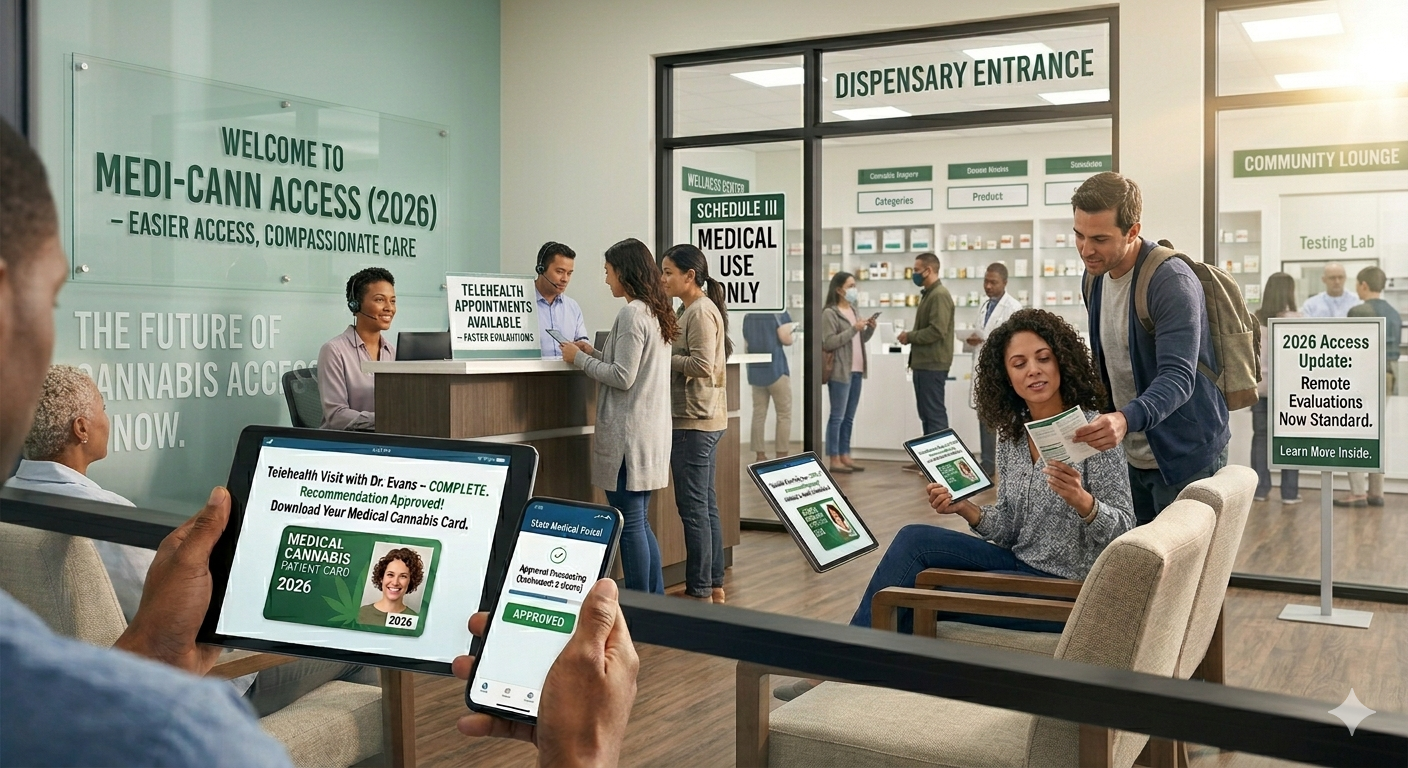
The real game-changer? Those online chats with doctors through telehealth. No more dragging yourself to some office just to talk about symptoms.
By 2026, people will basically pick between zipping through a video call or sticking to the old-school doctor’s office trip. Either way works fine in plenty of places, all aimed at having a qualified doc check if weed might actually ease whatever’s bugging you health-wise. This is where Telehealth vs In-Person Medical Marijuana Card options really come into play for many patients.
Patients keep asking which one’s quicker or less of a pain. The thing is, it really comes down to what works for your life. Telehealth is great because you do not have to travel, but going to see someone in person might feel more complete if you are the type of person who likes talking to people face to face. Telehealth is good for saving time. In-person visits can be better if you like seeing the person you are talking to.
From what is seen in practice, knowing the ins and outs of each route makes the choice straightforward. You start with booking the consult, spill your medical history, and if it checks out, the doc signs off. Expect some paperwork after, like state forms or ID checks, but nothing too wild. The catch with online is making sure your connection doesn’t glitch mid-convo. In the end, both get you there; just pick what doesn’t stress you out.
Understanding Telehealth for Medical Marijuana Evaluations
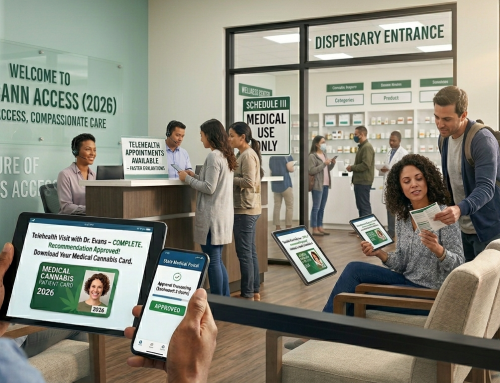
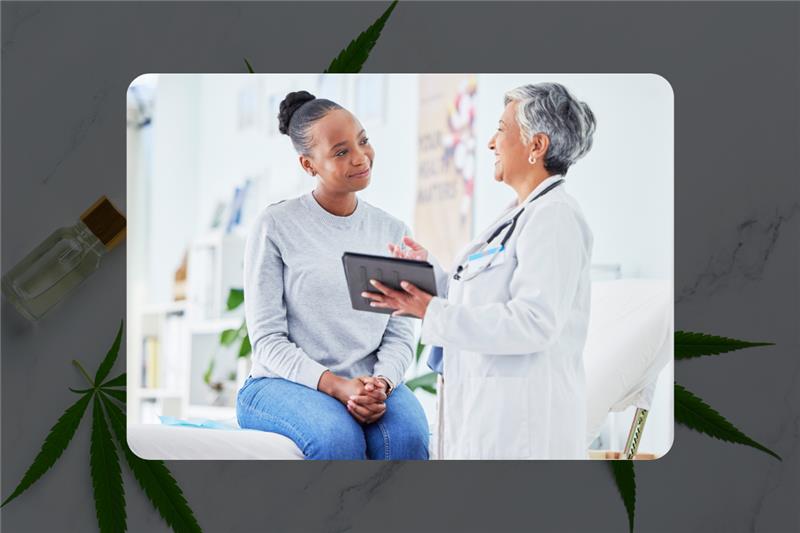
Seeing your doctor through a screen feels normal now. Patients skip the waiting room hassle and chat with a physician over video, a quick phone call, or some app designed for checkups.
The whole thing took off hard when COVID hit. What stands out is how it stuck around, especially for things like evaluating medical marijuana from afar. A bunch of states kept it legal post-pandemic, figuring it opens doors for folks who can’t easily get to a clinic. Turns out, that access boost matters more than you’d think when discussing Telehealth vs In-Person Medical Marijuana Card evaluations.
When applying for a medical marijuana card through telehealth, patients typically follow these steps:
Schedule an online consultation with a licensed physician
Complete a medical intake form describing their health condition
Attend a video consultation with the doctor
Receive a medical cannabis recommendation if approved
Submit the recommendation to the state’s medical marijuana registry
This process can often be completed in the same day, making telehealth one of the fastest ways to start the application.
Understanding In-Person Doctor Visits
Back in the days before telehealth took off, people needing a cannabis recommendation had no choice but to show up at a medical marijuana clinic or a doctor’s office face-to-face.
That meant sitting down with the physician for a full rundown. They’d go over your health background, chat about what symptoms were bugging you most, and figure out if cannabis made sense as a way to handle it. What stands out to me is how personal those meetings felt – kind of reassuring, even if it took more effort to get there. In practice, though, not everyone could swing the trip.
The steps for an in-person evaluation usually include:
Scheduling an appointment at a clinic
Traveling to the doctor’s office
Completing paperwork and medical forms
Meeting with the physician for evaluation
Receiving a medical marijuana recommendation if approved
Once you get that doctor’s recommendation in hand, the patient still has to jump through the state’s medical marijuana hoops to snag the actual card.
It works fine, sure. But in practice, it drags on longer and takes way more legwork than just hopping on a quick telehealth call.
Speed Comparison: Which Option Is Faster?
Patients eyeing a medical marijuana card usually put a lot of weight on how fast things move when comparing Telehealth vs In-Person Medical Marijuana Card options.
Telehealth
One big plus with telehealth is grabbing an appointment on the spot. Platforms out there let you book for the same day or right after, and those chats wrap up in about 10 to 15 minutes flat.
No driving over, no sitting in a stuffy waiting room, none of that hassle. That speed makes it the top pick when you just need a doctor’s take without the wait.
In-Person Visits
Getting to the clinic for an in-person visit just eats up time right from the start. You have to book a slot that fits, then deal with the drive or whatever commute, and that alone can stretch things out. Clinics get backed up, too – not enough spots means you’re hanging around longer than you’d like.
Paperwork hits you when you arrive. Sit and fill it out. Then wait some more until the doc calls you in.
The actual chat with the doctor? Pretty much the same as doing it over video. But the whole rigmarole around it demands way more effort and scheduling hassle.
If you’re itching to kick off whatever application or process, going virtual wins every time. It’s quicker, no question. The thing is, that convenience really adds up when you’re in a rush.
Convenience and Accessibility
Convenience is another major difference between telehealth and in-person visits.
Telehealth Advantages
Telehealth allows patients to consult with doctors from the comfort of their homes. This is particularly beneficial for individuals who:
Have mobility issues
Live in rural areas
Have busy work schedules
Experience chronic pain or anxiety that makes travel difficult
Because telehealth eliminates travel and waiting times, it provides greater flexibility for many patients.
In-Person Advantages
A bunch of patients stick with in-person doctor visits. They say it just feels right to chat face to face, no screens in the way. And yeah, that setup lets doctors dig deeper into exams when something needs a closer look.
Cost Differences
Getting a medical marijuana recommendation can hit your wallet differently if you go the online route or sit down face-to-face with a doc. What stands out to me is how telehealth setups keep things pretty affordable – they’re running everything through apps and websites, no need for a brick-and-mortar spot that eats up cash on rent and staff. In practice, though, showing up in person tends to tack on extra bucks because of those overhead costs, like keeping an office open and all.
But the full picture? That hinges on who your physician is, plus whatever the state charges for the application, and exactly what checks they run during the process. Some docs bundle in more thorough reviews, which bumps the price a bit. The real issue tends to be those hidden state fees that catch folks off guard.
Which Option Is Better for Patients?
Choosing between telehealth and in-person visits ultimately depends on the patient’s personal preferences and circumstances. When considering Telehealth vs In-Person Medical Marijuana Card evaluations, each option offers different advantages depending on individual needs.
Telehealth may be the better option for patients who want:
Faster appointments
Greater convenience
Remote access to licensed doctors
Flexible scheduling
Some people just feel better seeing their doctor in person. Maybe they like talking face-to-face, or they need a more thorough checkup. Either way, whether you go in or stick to virtual visits, you end up with the same result—a doctor’s recommendation so you can apply for a medical marijuana card.
Final Thoughts
People looking to snag a medical marijuana card should have an easier time starting around 2026, as the whole application hassle just speeds up.
There are ways to do things now. This makes everything move quicker. Medical marijuana cards are what this is about. Telehealth is the change that is happening with medical marijuana cards.
You can basically do a video chat right from home, no need to head out and deal with traffic or waiting forever in some office. In-person is still there if that’s your thing, but honestly, it seems most people skip it. It’s quicker that way, and more private too, especially when everyone’s schedules are packed. That part about not having to leave the couch, yeah, it changes everything when life gets busy like that.
The real catch comes down to where you live. State rules vary a ton, and what feels right for one person might not for another. Thing is, you always want to double-check your local medical marijuana setup first. Pick a legit provider, too. That way, the whole application rolls out without hitches or worries.