
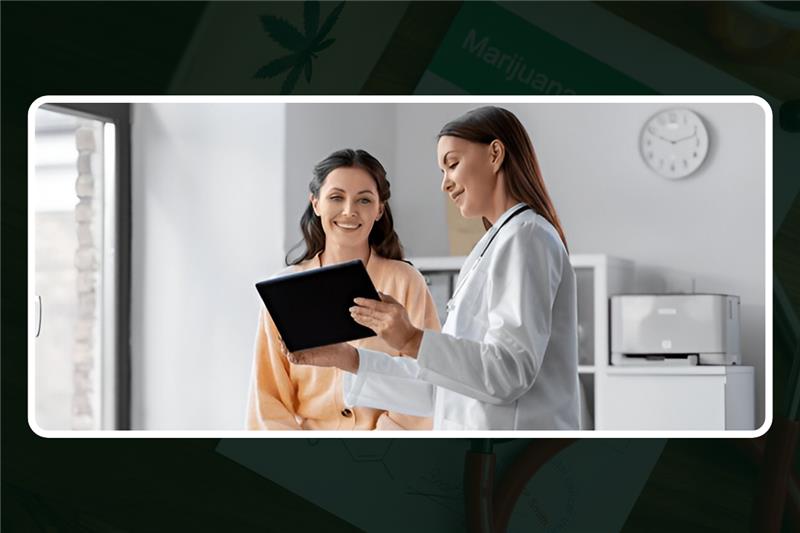
Medical marijuana programs let patients with certain health conditions to access cannabis legally for therapeutic use. Many people consider this option when traditional treatments do not provide enough relief. Understanding How to Qualify for a Medical Marijuana Card: Eligibility Requirements Explained is an important first step before applying for this card.
Each state has its own rules and regulations. But most programs follow a similar structure. Patients must meet certain medical criteria. They have to consult a licensed healthcare professional. Also, they should complete a state registration process. Understanding How to Qualify for a Medical Marijuana Card: Eligibility Requirements Explained can help patients prepare for these steps more easily.
Learning about these requirements can make the application process easy and less confusing.
What Is a Medical Marijuana Card?
It is an official document issued through a state medical program. This card confirms that a patient has been evaluated by a licensed medical provider. It also confirms they qualify to use the weed for medical purposes.
The card lets patients purchase these products from licensed dispensaries. It may provide additional benefits such as:
lower taxes on purchases
access to quality regulated products
These cards are valid for a specific period of time. It is usually for one year. Patients usually need to renew their certification and registration once the card expires.
Why Eligibility Requirements Exist?
This is to make sure that the plant is used safely and responsibly. These rules help healthcare professionals determine whether this plant may benefit a patient’s condition. Eligibility requirements also help maintain proper medical oversight. Licensed physicians review patient health information. They confirm that this product could be a suitable treatment option. By following these standards, states aim to protect patients. At the same time, they want to make sure that this product remains part of a supervised healthcare approach.
Common Qualifying Medical Conditions
The most important thing is having a condition that appears on the state’s list of approved medical conditions. The exact list varies by state. But several conditions commonly appear across many programs.
Chronic pain is one of the most frequently approved conditions. Patients experiencing long-term pain that affects daily life try this product as a supportive treatment option. Other commonly approved conditions may include:
Post-traumatic stress disorder (PTSD)
Cancer
Severe anxiety disorders
Epilepsy or seizure disorders
Multiple sclerosis
HIV/AIDS
Glaucoma
Parkinson’s disease
Crohn’s disease
Severe nausea related to medical treatments
Many states also let doctors recommend this option for conditions that produce similar symptoms. This can be done even if the exact diagnosis does not appear on the official list.
Age Requirements
This differs slightly depending on the state. But most programs let adults aged 18 or older apply for a card independently. Patients younger than 18 may still qualify. But they usually need the involvement of a parent/legal guardian. In these cases, the adult registers as a caregiver. They manage the purchase and administration of the product on behalf of the minor. These safeguards help with responsible supervision for younger patients receiving this treatment. Understanding How to Qualify for a Medical Marijuana Card: Eligibility Requirements Explained also includes knowing the age rules that apply in each state.
Proof of Residency
Most state programs only let residents of that state apply for a card. Applicants usually need to provide a valid government-issued identification document. This may include a:
driver’s license
state identification card
other official proof of residence
Some states may also request additional documentation, such as:
utility bills
rental agreements
Other records that confirm residency
Providing accurate residency information helps the state confirm that applicants are eligible to participate in the program.
The Role of a Licensed Medical Professional
A key part of qualifying for a card is obtaining a recommendation from a licensed medical provider. These licensed professionals review the patient’s health condition. They determine whether this product may provide therapeutic benefits.
The healthcare provider asks many questions during the consultation. The major ones are about:
patient’s symptoms
medical history
past treatments
The goal of this conversation is to understand the way the condition affects the patient’s daily life. If the provider determines that the patient meets the medical criteria, they issue a recommendation/certification for the use of this product. This document is required for completing the state application.
Medical Records and Documentation
Not every state requires extensive medical records. But having documentation related to the condition can strengthen the application process.
Medical records may include:
Physician notes
Diagnosis reports
Prescription history
Treatment records
Hospital documentation
Providing this information helps the evaluating physician understand the patient’s medical background more clearly. Patients who do not have access to detailed records can still discuss their symptoms and experiences of the treatment during the consultation.
Many providers focus on evaluating the patient’s current condition rather than relying solely on past documentation. There are some providers who now provide virtual consultations. This lets patients speak with licensed physicians from home.
During an online evaluation, the doctor conducts the same type of assessment that would occur during an in-person visit. Virtual appointments take only a short time to complete.
Applying Through the State Program
Once a patient receives a physician’s certification, the next step is to complete the official application. Many states provide a portal where patients submit the required information. The application includes:
Personal identification details
Proof of residency
Physician certification
Application fee (in some states)
After submitting the application, the state reviews the documents to confirm eligibility. Once approved, the patient receives their card. Some states provide digital cards immediately, while others mail a physical card to the patient’s address. Understanding How to Qualify for a Medical Marijuana Card: Eligibility Requirements Explained can help patients feel more prepared for this stage of the process.
Maintaining Eligibility and Renewing the Card
These are not permanent. Most programs require patients to renew their certification regularly. This is usually once every year. The renewal process includes another consultation with a licensed medical provider. During this appointment, the physician reviews the patient’s progress. They confirm that this option continues to be an appropriate treatment method.
After receiving a new certification, patients update their registration through the state program. Completing renewal on time helps one get continued access to the product. Patients should keep track of their card’s expiration date. They must begin the renewal process early.
Conclusion
Qualifying for this card involves meeting several key requirements. You must have an eligible medical condition. You also need to consult a licensed medical professional. One also needs to complete a state registration process.
Each state has its own regulations. But the general process remains straightforward for most patients. Telehealth consultations and online application systems have made the process faster. It has also made it more accessible than ever.
One needs to understand the eligibility requirements. The patient must also prepare the necessary documents. This way, they can approach the application process with confidence.
EZMEDCARD helps individuals through each step. We make it easier to connect with licensed providers. We help you to obtain this card through a secure and convenient process.