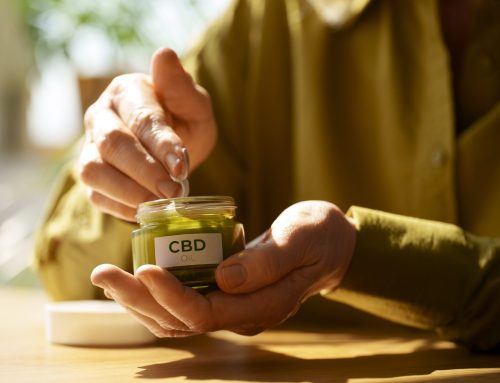

Medicare coverage for CBD
Medicare and CBD entered new territory in 2026. A federal program now allows certain Medicare beneficiaries to receive eligible hemp-derived products through participating healthcare organizations. The change has attracted attention. This is because Medicare has not traditionally covered these products. It has also triggered a federal lawsuit that challenges the government’s authority to create this new pathway.
The issue remains active. The legal fight could affect the future of hemp-derived products in federal healthcare. For older adults who use CBD or are considering it, the developments raise an important question. That is could Medicare eventually provide broader access?
The answer remains uncertain. The current program does not create regular Medicare coverage for CBD. Instead, it operates through a limited CMS Innovation Center initiative with specific rules and safeguards.
What Changed in 2026?
The Centers for Medicare & Medicaid Services (CMS) introduced the Substance Access Beneficiary Engagement Incentive, or Substance Access BEI, in April 2026.
The initiative lets certain organizations that participate in CMS Innovation Center models to offer eligible hemp-derived products as part of a clinician-guided care plan. Participating organizations must receive CMS approval before they can use the incentive.
CMS allows participating organizations to furnish eligible products worth up to $500 per year for each eligible beneficiary. The organization must follow program rules. They must consider the person’s health needs before providing a product.
This development does not mean every Medicare beneficiary can receive CBD through Medicare. It also does not mean Medicare now pays for CBD through its standard benefits.
CMS clearly states that the Substance Access BEI does not represent a Medicare coverage change. CMS does not reimburse providers for these products through the initiative.
That distinction remains important as the federal debate continues.
What Products Can the Program Include?
It focuses on certain hemp-derived products that meet federal requirements. Eligible products must fall within the federal definition of hemp. The products must contain no more than 0.3% delta-9 THC. They must meet additional restrictions under the program.
CMS excludes inhalable products. The program also excludes oral products containing more than 3 milligrams of total tetrahydrocannabinols per serving.
Products must also meet quality and safety standards. CMS requires third-party testing for potency and contaminants. This requirement helps participating organizations evaluate the products before they provide them through the program.
These rules create an important difference between regulated program products and the many hemp products sold through ordinary retail channels.
Why Did the Federal Government Create This Program?
CMS describes the initiative as a way to test new approaches to care. The program allows participating healthcare organizations to discuss eligible hemp products with beneficiaries under clinical supervision.
A qualified healthcare professional must determine whether the approach appears safe and appropriate. The professional must discuss possible risks and benefits. They must review current medications and plan follow-up care.
For readers looking for a qualified provider, you can also explore: weed doctor near me
The approach uses shared decision-making rather than treating CBD as a standard Medicare prescription benefit. CMS also plans to monitor the program and evaluate its outcomes.
This structure gives CMS a way to gather information while keeping the program limited.
Why Did a Lawsuit Start?
The new federal initiative quickly attracted legal opposition. Oganizations filed a federal lawsuit challenging the program. The plaintiffs argue that CMS exceeded its authority when it created the Substance Access BEI.
The lawsuit raises questions about the following things
- Medicare statute
- Federal administrative law
- Role of the Food and Drug Administration in regulating products used for health purposes.
The challengers argue that CMS cannot use an Innovation Center model to create a new pathway for products that lack FDA approval as drugs. They also question whether CMS followed the required administrative procedures before launching the initiative.
A federal judge initially rejected an attempt to immediately stop the program. The court did not end the lawsuit at that stage. So the broader legal dispute continued.
What Does the Lawsuit Mean for Beneficiaries?
The lawsuit creates uncertainty around the future of the program. If the courts allow the initiative to continue, CMS could gain more experience with clinician-guided use of eligible hemp products. The results could influence future federal healthcare policies.
If a court blocks the program, CMS may need to change its approach. They may have to then get additional legal authority.
The lawsuit does not mean that every CBD product will suddenly lose access. The current initiative already applies only to participating organizations and eligible products.
Beneficiaries should therefore avoid assuming that their regular Medicare plan will pay for CBD.
For Kentucky application information, see: how to get medical marijuanas card ky online
Could Medicare Eventually Cover CBD More Broadly?
A broader Medicare benefit would require more than the current pilot-style initiative. Medicare coverage follows specific statutory rules. CMS generally covers items and services that fall within an approved Medicare benefit category. It covers things that meet the requirement of being reasonable and necessary for medical treatment.
CMS also uses formal coverage processes for new technologies and services. These processes can include
- national coverage determinations
- local coverage determinations
- rulemaking
- other legal pathways
That means a nationwide CBD benefit would face important legal and regulatory questions.
The government could also change federal law. Such a change could give Medicare clearer authority to cover certain hemp-derived products.
For now, however, the federal government has not created a standard Medicare benefit that covers all CBD products.
What About Medicare Advantage?
CMS rules govern which supplemental benefits
Patients can also review local provider information for: medical marijuanas doctors in ky
Medicare Advantage plans can offer. Federal rules have also addressed the treatment of hemp and related products under Special Supplemental Benefits for the Chronically Ill.
CMS has stated that products must comply with applicable federal and state laws. Federal rules also changed the legal definition of hemp products beginning in November 2026. These changes could affect which hemp-derived products qualify for certain programs in the future.
Beneficiaries should therefore check their specific Medicare Advantage plan instead of assuming that all plans offer the same benefits.
Why Federal Hemp Rules Also Matter?
The CBD discussion connects closely with changing federal hemp laws.
The 2018 Farm Bill created the federal definition of hemp and removed qualifying hemp from the federal controlled substance framework. However, Congress later changed the definition, with new restrictions scheduled to take effect in November 2026.
These changes could affect the products that qualify as hemp. They could also influence future Medicare policies. A product that qualifies under one federal definition may face different treatment after the new rules take effect.
For this reason, anyone following Medicare and CBD should watch healthcare policy and federal hemp legislation.
What Could Happen Next?
The federal lawsuit will play an important role in determining the future of the current program. The court could allow the initiative to continue. It could also restrict or block the program if it finds that CMS exceeded its legal authority.
At the same time, CMS can continue evaluating the initiative and gathering information about its use. The agency says it will monitor implementation and outcomes. Future federal action could also change the picture. Congress could create clearer rules for hemp-derived products, while CMS could develop additional demonstration models.
The outcome could influence access for millions of Medicare beneficiaries.
For information about another Kentucky medical cannabis location, see: Medical Marijuana Doctor near me
What This Means in 2026?
Medicare does not currently provide broad coverage for CBD. Instead, CMS has created a limited initiative that allows approved participating organizations to furnish certain hemp-derived products under clinician guidance. The program can provide up to $500 per year in eligible products for qualifying beneficiaries, subject to program rules.
A federal lawsuit now challenges the legal foundation of that initiative.
The case could shape future federal policy. It could also clarify the limits of CMS authority when agencies test new healthcare approaches.
For now, beneficiaries should view the program as a limited federal initiative rather than a standard Medicare benefit. Anyone interested in access should check with their healthcare organization and review current CMS requirements.
Conclusion
The possibility of Medicare covering CBD has gained attention in 2026. But broad coverage does not exist yet. The current federal initiative offers a limited pathway through approved healthcare organizations. The ongoing lawsuit could also affect its future.
For now, people should not assume that their Medicare plan covers CBD. They should check official Medicare information. They must speak with a healthcare professional before using any hemp-derived product. Future court decisions, federal rules, and policy changes could shape access in the years ahead.
FAQ
Does Medicare Part A cover CBD products?
No. It does not provide a standard benefit for CBD products.
Does Medicare Part B pay for CBD?
It does not currently provide general coverage for CBD products.
Can a doctor recommend CBD while someone has Medicare?
A healthcare professional can discuss CBD with a person. The professional can also review possible risks and medicine interactions.
Can Medicare beneficiaries buy CBD with their own money?
Yes, where state and federal laws allow the purchase. Coverage and legal status can vary based on the product and location.
Could the federal lawsuit change CBD access?
Yes. A court decision could affect the current federal initiative and influence future policy.