Medical Marijuana Card for PTSD
Living with post-traumatic stress disorder (PTSD) can affect many parts of daily life. PTSD can cause
- Anxiety
- sleep problems
- unwanted memories
- mood changes
- difficulty managing everyday activities
Some people look at medical marijuana as one possible option for symptom management.
So, can you get a medical marijuana card for PTSD? The answer depends on the laws in your state. Some states list it as a qualifying condition. There are others that use broader rules that may let patients qualify based on other approved conditions. You also need to meet your state’s requirements before you can receive a recommendation or card.
Understanding the process can help you decide if this option may suit your needs.
What Is PTSD?
It can develop after a person experiences/witnesses a traumatic event. The condition can affect people after events such as
- serious accidents
- violence
- abuse
- military combat
- natural disasters
PTSD can cause several types of symptoms. Some people experience repeated memories and nightmares about the event. Others avoid people and situations that remind them of the trauma.
The condition can also affect
- Sleep
- Concentration
- Mood
- Relationships
Some people remain constantly alert. This is because they feel unsafe even when no immediate danger exists.
- Treatment can include
- Therapy
- Medication
- Lifestyle changes
- Combination of these approaches
An expert can help determine which options fit a person’s needs.
Can PTSD Qualify You for a Medical Marijuana Card?
Your state’s program determines eligibility.
Several states recognize PTSD as a qualifying condition. But rules differ across the country.
Some states specifically list it among their approved conditions. Other states may require the person to meet different medical criteria. The state may also require medical records and other documentation that supports the diagnosis.
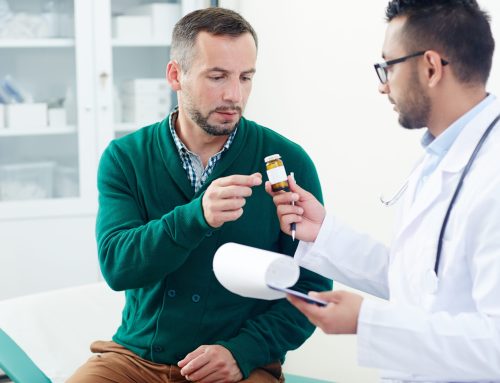
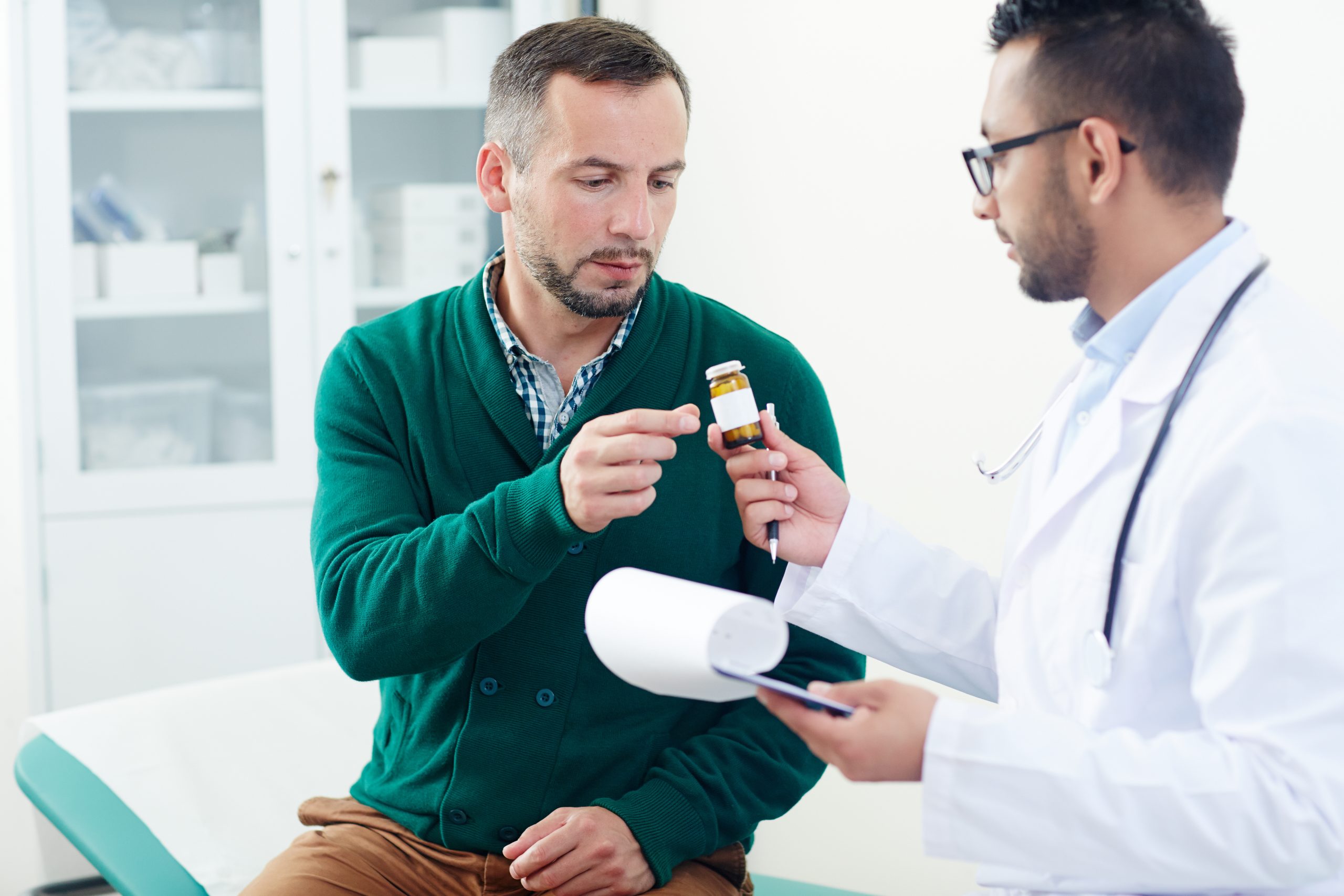
A doctor must review your medical history before making a recommendation. They can discuss your symptoms and current treatment. They can also check your medical needs during the evaluation.
A diagnosis alone does not automatically guarantee approval. You must meet the requirements set by your state’s program.
What Happens During a Medical Evaluation?
It gives the doctor an opportunity to understand your condition. The expert may ask about your
- PTSD symptoms
- medical history
- previous treatments
- current medications.
You should answer questions honestly and provide relevant medical information. Your expert needs accurate information to make an correct medical decision.
The evaluation may also cover your treatment goals.
The expert can also discuss possible risks and side effects. This conversation can help you understand if this option may fit into your care plan.
What Documents May You Need?
Each state follows its own application process. One may need certain information when they apply for a card.
You may need proof of identity and state residency. You may also need medical records and documentation that supports your qualifying condition. Some programs require a certification from an approved expert.
Some states also require people to complete an online application and pay a state registration fee.
Requirements can change. So one should check their state’s current program before submitting an application.
Does a PTSD Diagnosis Guarantee Approval?
No. Your state sets the eligibility rules, and a doctor must follow those rules. The provider may need to confirm your diagnosis and determine whether you meet the medical requirements.
You should also remember that this option may not suit everyone. Your expert can review your medical history and current medications before making a recommendation.
This step matters. This is because cannabis can cause side effects and may interact with certain medications.
Can Medical Marijuana Treat PTSD?
It does not provide a guaranteed cure for this condition. Some report that it helps them manage certain symptoms. But research remains limited and mixed.
You should avoid treating this option as a replacement for proven PTSD care without discussing the decision with an expert.
Therapy remains an important part of PTSD treatment. Certain forms of trauma-focused therapy can help people process traumatic experiences. It can help develop healthier coping skills. A doctor may also recommend prescription medication based on the symptoms and medical history.
Potential Benefits and Risks
People consider this option for different reasons. Some hope to manage sleep difficulties and other symptoms linked to PTSD.
But, it can also cause unwanted effects. Some people may experience
- Dizziness
- Drowsiness
- changes in attention
- problems with memory
It can also affect reaction time. This can create safety concerns when driving and operating machinery.
Some people may also experience increased anxiety and paranoia, particularly after using products with high THC levels.
One must discuss these risks with their doctor before using this option.
Choosing Products With Care
Patients who receive approval should still pay attention to product quality. The products can vary in content and formulation.
Look at the product label and understand the amount of THC and CBD it contains. Some products may contain much higher levels than others.
You should also look for products that come with reliable laboratory testing. A Certificate of Analysis, often called a CoA, can provide information about potency and possible contaminants.
Avoid making decisions based only on product claims or packaging. Ask an expert for appropriate assistance.
Can You Get The Card Online?
Some states let you complete part of the evaluation process through telehealth. Other states may require an in-person appointment.
An online evaluation can offer convenience for those who qualify for telehealth services. During a virtual appointment, a doctor can review your medical information and discuss your symptoms.
The provider must still follow state laws and medical standards. An online appointment does not guarantee approval.
If you use an online service, choose a legitimate provider that follows your state’s requirements. Avoid services that promise guaranteed approval without reviewing your medical history.
What If Your State Does Not List PTSD?
Do not assume that you cannot qualify simply because you do not see it listed in the first section of your state’s program information.
Some use broader qualifying conditions. Some let experts certify people under specific circumstances. Other may have different pathways for eligibility.
You should review your state’s current rules and speak with an expert. They can explain if your condition meets the current requirements.
Final Thoughts
PTSD can affect everyday life. Medical marijuana may offer another option for some people. But state laws determine who can qualify for this card.
If your state recognizes PTSD as a qualifying condition, you may need a medical evaluation. You may also need supporting documentation and state approval. An expert can review your situation and explain your options.
Most importantly, approach this option as part of a broader healthcare discussion. Learn about the possible benefits. Understand the risks and check product information. Follow your state’s rules.
If you are considering this card for PTSD, start by checking your state’s current requirements and speaking with an . An informed decision can help you choose a path that supports your health and needs.
For more details contact us at Ezmed
FAQ
Is this a qualifying condition for this card?
PTSD qualifies in many states. But each state sets its own rules. Check your state program and speak with an expert.
Do I need medical records for the card?
Some states require medical records and other proof of diagnosis. Requirements vary. So check your state's application rules before booking an evaluation.
Can a doctor recommend this product for PTSD?
They can evaluate your condition and decide whether it may be appropriate under your state's laws.
Can veterans use this product for PTSD?
They may qualify for it under state laws if PTSD meets the state's eligibility requirements. They should also discuss the use with their doctor.
Does this product cure PTSD?
No. Some people may use it to manage certain symptoms. But it should not replace recommended treatment without medical assistance.