If you have been buying Delta-8 gummies, CBD oil, or hemp-derived THC products in Connecticut, you need to pay attention to December 11th, 2026. A major change is coming to the hemp laws. This change could mean that many of the products you have been using may no longer be legal. Some hemp products that were once allowed under the law might no longer fit the new definition.
What happens if your favourite hemp-derived THC products are no longer available? Can you still find something if you have a Medical Marijuana card in Connecticut?
Here is what you need to know about the changes, who they affect, and what Connecticut residents should understand before making any choices.
What Is the Federal Hemp THC Ban?
Section 781 of Public Law 119-37, passed in November 2025, changes how hemp is defined at the federal level. Previously, hemp was defined as any plant that contained less than 0.3% Delta-9 THC by dry weight. This allowed some companies to sell products that included cannabinoids like Delta-8 THC.
Now the new definition is much tighter. It considers THC levels, including THCA, which can convert into THC. It also bans finished cannabinoid products that have more than 0.4 milligrams of total THC and similar cannabinoids in a single container. Altered and synthetic cannabinoids are also no longer included in the definition.
Some of these rules start on November 12th, 2026. Most of the changes take effect on December 11th, 2026. This doesn’t mean all hemp or CBD products become illegal. Many hemp-derived products that cause intoxication will no longer be considered hemp under federal law.
What’s the difference between Hemp Derived THC and Medical Marijuana?
One area of confusion is knowing that while both Hemp Derived THC and Medical Marijuana can contain cannabinoids, they are not regulated in the same way. Hemp Derived THC products are made from plant sources that fit the definition; products like Delta‑8 THC are often referred to as derivatives because they are made from CBD sourced from hemp. There are regulations on how much THC the product should contain and how to produce the cannabinoids.
Medical Marijuana is part of a cannabis system. In Connecticut, Medical Cannabis can be purchased by registered patients from approved dispensary sites and mixed retailers. These products must meet the guidelines set out by the State of Connecticut, including testing, packaging, labeling, and selling of the products.
There are differences in the THC levels, source, manufacturing process, and legality. A consumer may not receive the protections when purchasing Delta‑8 gummies from a retailer compared to a registered patient purchasing Medical Cannabis from an approved dispensary in Connecticut. Hemp-derived products are generally advertised to consumers under the regulations. Medical Marijuana can only be accessed if you have a qualifying condition and have been certified by a health professional.
As we come to the changes on December 11th, it is important to note that Medical Marijuana and Hemp-Derived THC are not interchangeable. Just because you have a Medical Marijuana card does not mean you can purchase all Hemp Derived products. Just because there are changes to Hemp at a certain level does not mean Medical Cannabis will still be available in Connecticut. By knowing the differences, you will be able to make decisions about what products will be available, how they are regulated, and what medical options are suitable.
Which Products Could Be Affected?
Not all products made from hemp will be affected. It depends on the type of cannabinoids in the products and whether they meet the new federal definition for hemp.
For example: Delta-8 THC gummies: Many Delta-8 products are created by changing CBD isolate from hemp into Delta-8. Some products might no longer be considered hemp products.
Hemp-derived THC drinks: Drinks that have more than the limit of THC in each container could no longer be considered hemp products. Delta-9 THC edibles: Edibles that are already sold as having more than 0.3% Delta-9 THC might also be affected because the new definition of hemp looks at the total amount of THC.
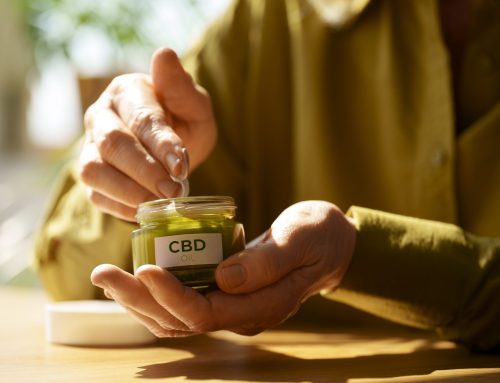
CBD Oils & Gummies: CBD products will not automatically be banned. Those that fit the hemp definition will still be available. We always suggest looking at the label and the lab report of your products.
Why Are Connecticut Consumers Considering a Medical Marijuana Card?
With regulations changing, it may be encouraging for users of cannabinoid products to look at alternative options. The Connecticut Medical Marijuana Program allows eligible patients to access cannabis products through licensed dispensaries and hybrid retailers.
Benefits of this include:
- Tax breaks – Purchases of qualifying cannabis are tax-free.
- Larger purchase amounts – Patients can purchase up to five ounces each month (subject to practitioner limitations).
- Variety – Medical patients will have access to a variety of products and strengths.
- Medical certification – Patients are certified by a healthcare practitioner, who will assess their medical needs.
A medical marijuana card is not an alternative to Delta‑8 or CBD products. It is for those who fit medical eligibility criteria set out by the state.
Who Qualifies for a Connecticut Medical Marijuana Card?
The person must have a qualifying debilitating condition while living in Connecticut. The individual also has to receive a certificate from a Connecticut‑licensed doctor, a physician’s assistant, or a practice registered nurse.
Qualifying conditions include cancer, glaucoma, epilepsy, Crohn’s disease, multiple sclerosis, Parkinson’s disease, PTSD, and chronic pancreatitis. Generally, adults need to be 18 or older. There are rules for minors.
Being a user of CBD or Delta‑8 does not make you eligible. You will need a certificate that is based on your qualifying condition and a healthcare assessment.
How Can You Get a Medical Marijuana Card in Connecticut?
First, check to see if your condition is on the approved list. When you have verified that you are eligible, make an appointment with a qualifying professional.
They will start your application process for the Medical Marijuana Program. Once you have completed the registration process, you will be able to access medical cannabis dispensaries. There is no fee charged by the state of Connecticut for registration. However, there may be a cost for a healthcare consultation.
Final Thoughts
The changes to Federal Hemp THC laws on the 11th of December 2026, will have an impact on some hemp-derived cannabinoids. For CBD and Delta-8 users in Connecticut, the difference between hemp regulations and medical cannabis in the state is important to know. If you are using cannabinoids in any capacity, now would be a time to talk to a professional healthcare provider about your treatment options. In Connecticut, you may also be eligible for a Medical Marijuana Card. This is another option to gain access to medicinally used cannabinoids. Ensure that you know what you are eligible for so that you can make decisions. Not all hemp-derived products will be taken away.
The majority of changes to the definition of hemp will come into effect in December 2026. Certain restrictions around synthetic cannabinoids have been introduced earlier. Some products may no longer fall under the definition of hemp at the state level. This will depend on the composition. Whether they fall within any federal and Connecticut cannabis laws. No. As long as CBD products meet the definition of hemp and any other applicable requirements, they can still be legally purchased. Yes, as long as they meet the criteria for marijuana in Connecticut, including having a qualifying medical condition and being certified by an eligible medical professional. Registered patients will be able to purchase products tax they will be able to purchase larger quantities and will have access, to a broader range of medical cannabis products and strengths. FAQ
When will the Federal Hemp THC Ban come into effect?
Will Delta-8 THC products be banned in Connecticut?
Will CBD products be banned?
Can Delta-8 users get a marijuana card in Connecticut?
What are the benefits of a marijuana card in Connecticut?