Many people who search for information about medical marijuana feel curious about how the plant begins its life. That curiosity often starts with seeds. When people look up How to Germinate Marijuana Seeds, they are usually trying to understand the plant from its earliest stage. Learning about seed germination helps patients and caregivers see it as a plant with a biological life cycle, not just as a finished product. Education builds patience and responsible decision-making.
The Long Relationship Between People and This Plant
This plant has grown alongside human civilization for thousands of years. Archaeologists have discovered ancient cannabis seeds in different parts of the world, showing that people once relied on it for fiber, food, and medicinal purposes.
Understanding step-by-step marijuana seed germination guide with recognizing that it is a living plant with natural life stages. Seed germination represents the very first step in that journey. Learning about this stage builds respect for modern medical programs built around regulation and safety.
How to Germinate Marijuana Seeds?
Seed germination describes the moment when a seed “wakes up.” Inside every seed lives a tiny plant embryo. This embryo remains dormant until it senses the right conditions. Marijuana Affects Dopamine and Brain Neurotransmitters is another topic often discussed when exploring how cannabis interacts with the body and brain because these chemical messengers play a major role in mood, motivation, pleasure, and overall mental balance.
When moisture and warmth reach the seed, internal biological activity begins. The seed shell opens, and a small root appears. This root anchors the future plant and absorbs water and nutrients. Germination always happens before leaves or stems develop.
Anyone researching easy methods to germinate marijuana seeds should first understand this natural biological awakening process.
Why Starting with Healthy Seeds Matters
Strong beginnings support healthy outcomes.
Seeds that look mature and intact usually perform better. A healthy seed feels firm and appears darker in color. Weak or damaged seeds struggle to activate, leading to wasted time and disappointment.
Medical programs emphasize quality because consistency matters in patient care. When people study How to Germinate Marijuana Seeds, they often learn that strong genetics increase reliability and predictability in later stages.
Nature’s Role in Seed Activation
Seeds exist to protect plant genetics during difficult conditions. In nature, they survive harsh weather and long periods underground. Seeds only activate when they sense safety. Rainfall, warmth, and oxygen signal the right moment.
Moisture softens the outer shell and triggers internal enzymes. These enzymes release stored energy inside the seed. Understanding best way to germinate marijuana seeds means respecting these natural signals rather than forcing the process.
Moisture as the First Signal
Water plays a critical role in seed activation. Dry seeds remain inactive. When moisture reaches the seed, the shell softens and allows internal processes to begin.
Too much water, however, can create problems. Excess moisture reduces oxygen levels and invites harmful microbes. Balance supports success. This principle applies across biology and health.
Oxygen and Early Growth
Seeds require oxygen to produce energy. Cells inside the seed use oxygen to convert stored nutrients into fuel. Poor airflow slows or even stops this process.
Loose, breathable surroundings support early development. Compacted and waterlogged conditions increase failure rates. This explains why overly dense environments reduce success in early stages.
Temperature and Biological Stability
Temperature affects how efficiently enzymes function inside the seed. Moderate warmth supports steady development. Cold temperatures slow growth, while excessive heat can damage delicate tissue.
Stable conditions create predictable outcomes. Sudden temperature changes stress young life forms. In both plant biology and healthcare, stability improves results.
Understanding Light in Early Stages
Seeds do not need light to begin growing. Germination typically occurs below the surface, where darkness protects fragile tissue. Light becomes important only after the plant develops leaves.
Knowing this prevents unnecessary disturbance. Patience allows natural development to unfold properly.
Common Reasons Seeds Fail to Develop
Many failures result from avoidable mistakes:
- Rough handling that cracks seed shells
- Contaminated surroundings introducing mold or bacteria
- Constant checking that interrupts progress
Impatience often causes more harm than waiting. Seeds benefit from calm conditions and minimal interference. Education reduces these errors.
Cleanliness Supports Healthy Beginnings
Clean conditions protect vulnerable seeds. Moist environments encourage bacteria and fungi growth. Using clean water and clean surfaces reduces risk.
Medical standards emphasize hygiene for similar reasons. Clean practices protect fragile systems. This mindset applies to both healthcare and plant science.
Different Approaches to Early Planting
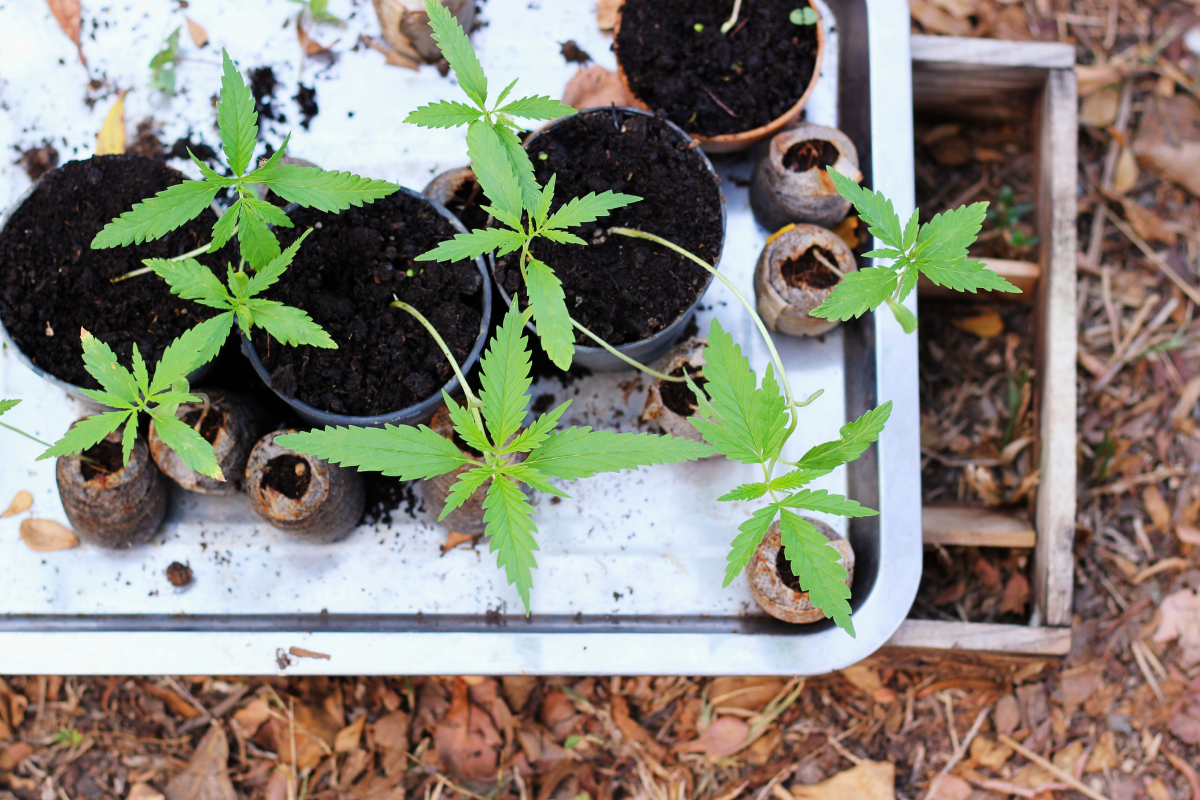
People discuss different methods when talking about Germinate Marijuana Seeds. Some prefer direct planting in soil. Others observe early root development before transferring the seed.
Each approach attempts to support natural signals like moisture, oxygen, and warmth. The most important factor remains consistency and gentleness. Education focuses on understanding the biology rather than promoting any unlicensed practice.
Patience as a Key Skill
Seed germination teaches patience. Growth follows its own timeline. Rushing rarely improves outcomes.
This lesson also applies to medical wellness. Many patients using medical marijuana learn that relief takes time and proper guidance. Respecting natural pacing leads to better experiences.
Legal Awareness and Responsibility
Cannabis laws vary widely across the United States. Some states allow limited home cultivation under medical programs. Others prohibit it entirely.
Anyone researching How to Germinate Marijuana Seeds should first understand their local and state regulations. Legal awareness protects individuals from penalties and unnecessary stress. Education must always include respect for the law.
Why Clinics Focus on Education First
Medical marijuana providers prioritize learning over instruction. Education empowers patients without crossing legal boundaries. Understanding plant biology supports better conversations with licensed providers.
Clinics focus on evaluation, eligibility, and safe use within state rules. Knowledge strengthens trust and confidence.
Respecting the Plant as Medicine
Ezmedcard Medical marijuana programs exist to support health, not recreation. Responsible use begins with understanding the plant’s life cycle. Learning best way to germinate marijuana seeds builds appreciation for the effort behind regulated products.
This awareness encourages respect for licensed growers, healthcare providers, and legal frameworks. Education forms the foundation of responsible care.
Conclusion
Seed germination marks the beginning of a complex and regulated journey. Understanding How to Germinate Marijuana Seeds helps patients appreciate this plant as a living organism shaped by biology and law. Education promotes patience, responsibility, and informed decision-making. Medical marijuana clinics support learning because knowledge leads to safer choices.
If you want to use medical marijuana legally and responsibly, start with a licensed card provider. A qualified clinic can review your eligibility, explain your state’s laws, and guide you through the process with professional care. Book a consultation today with EZ Medcard and take your first step with trusted medical support.
DISCALAIMER
This blog is shared for educational and informational purposes only. It does not provide medical advice, legal advice, or encouragement to break any local, state, or federal laws. Cannabis laws vary by location, and readers must follow the rules that apply in their area. Always consult a licensed medical professional or a qualified authority before making decisions related to medical marijuana.